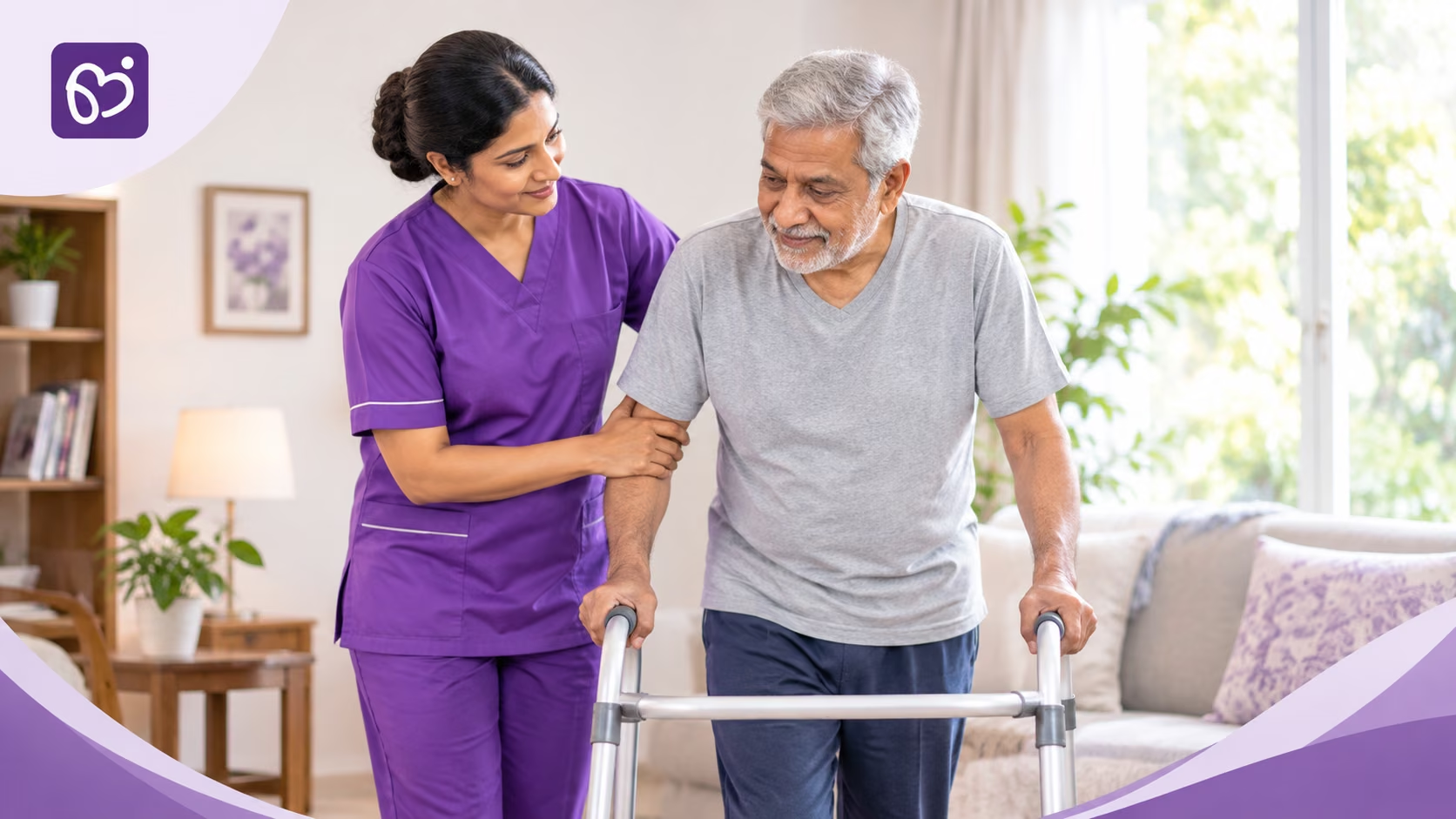

A Caregiver for Stroke Patient can help families manage daily care when a loved one has difficulty walking, bathing, dressing, or completing routine activities after a stroke. A suitable caregiver provides personal care, mobility assistance, companionship, and support with everyday tasks based on the patient’s needs.
Stroke can affect people in different ways. Some patients need help with a few daily activities, while others require regular supervision and professional medical support. Therefore, families should understand the patient’s condition before choosing a suitable home care arrangement.
Why Do Stroke Patients Need Care at Home?
After a stroke, a person may experience weakness, poor balance, speech difficulties, or problems using one side of the body. These changes can make everyday activities more challenging.
A caregiver for a stroke patient can help with daily routines while family members manage their other responsibilities. The caregiver may also provide companionship and observe changes in the patient’s usual condition.
However, daily assistance alone may not meet every patient’s needs. Some people also require nursing care, physiotherapy, or other professional services.
According to the NHS guide to stroke recovery, recovery needs differ from person to person. The treating healthcare team can help families understand which types of support are appropriate.
Families who need additional help can explore patient care at home in Dhaka to learn about relevant home care services.
What Does a Caregiver for Stroke Patient Do?
The responsibilities of a caregiver depend on the patient’s mobility, personal care needs, and care plan. Before arranging support, families should discuss which activities the patient can manage independently.
1. Personal Hygiene and Dressing
Stroke-related weakness can make bathing, dressing, brushing teeth, and using the toilet difficult. A caregiver can assist with these activities while protecting the patient’s privacy and dignity.
Whenever possible, encourage the patient to perform tasks they can manage safely. Allowing extra time can help maintain independence.
2. Mobility and Daily Activities
A stroke patient may need assistance when standing, walking, or moving between a bed and chair. A caregiver can provide appropriate support when they have been shown safe techniques by a qualified professional.
Families should explain the patient’s mobility limitations before care begins. If a transfer requires more assistance than the caregiver can safely provide, additional professional support may be necessary.
3. Meal Assistance and Daily Routines
A caregiver may help organize meals and maintain a consistent daily routine. However, some stroke patients have swallowing difficulties that require professional assessment.
Follow the healthcare team’s instructions about food, liquids, and feeding assistance. If the patient coughs or chokes while eating or drinking, seek medical advice. Do not force food or liquids when swallowing safety is uncertain.
The NHS guidance on swallowing problems provides further information about this concern.
4. Communication and Emotional Support
Some stroke survivors have difficulty speaking, understanding language, or expressing their needs. A patient caregiver can help by speaking clearly, using short sentences, and allowing enough time for responses.
In addition, patient and respectful communication can make daily care more comfortable. Family members should share any communication recommendations provided by the healthcare team.
Daily Stroke Patient Care at Home: A Practical Checklist
Good home care depends on a routine that matches the patient’s abilities and professional care plan. A caregiver for stroke patient should understand the family’s expectations and the patient’s specific support needs.
Use this checklist when organizing daily activities:
- Morning care: Assist with washing, dressing, and grooming as needed.
- Meals: Follow the recommended food and fluid plan.
- Mobility: Support approved movement and use prescribed mobility aids correctly.
- Medication: Follow the prescribing professional’s instructions. Do not independently change doses or stop medicines.
- Rest: Allow suitable time for rest and follow the patient’s usual routine.
- Communication: Give the patient time to express their needs.
- Family updates: Report relevant changes in appetite, movement, alertness, or daily functioning.
A written routine can help the family and caregiver understand their responsibilities. It should also identify which tasks require a qualified nurse or another healthcare professional.
How to Make Home Care Safer for Stroke Patients
Safety is especially important when a patient has weakness, poor balance, or difficulty moving independently. Families can reduce common risks by making a few practical changes.
Reduce the Risk of Falls
Keep floors dry and walkways clear. Remove loose rugs where possible and provide good lighting. Keep frequently used items within easy reach.
If the patient needs assistance when walking, do not leave them to walk alone against the care plan. Use walking aids only as recommended by a qualified professional.
Follow Medication Instructions
Maintain an up-to-date medication list and follow the doctor’s instructions. A caregiver may provide agreed assistance with reminders, but medication changes must be discussed with the prescribing professional.
Support Safe Eating
Some patients need changes to food texture or liquid consistency after a stroke. Follow the recommendations of the healthcare team and seek advice if swallowing becomes difficult.
Recognize Emergency Warning Signs
Sudden facial drooping, new weakness or numbness, difficulty speaking, vision changes, or loss of balance may indicate another stroke.
Seek emergency medical help immediately if these symptoms occur, even if they improve. Do not wait for a routine appointment or rely on a caregiver to diagnose the problem.
How to Choose the Right Caregiver for Stroke Patient in Dhaka
Choosing a caregiver requires more than checking availability. Families should consider experience, communication, safety, and the patient’s daily support needs.
Before hiring a stroke patient caregiver in Dhaka, ask the following questions:
- Relevant experience: Has the caregiver supported people with limited mobility or personal care needs?
- Daily responsibilities: Which tasks are included in the service?
- Safe movement: Can the caregiver follow the patient’s recommended mobility techniques?
- Communication: Can they communicate patiently with the patient and family?
- Emergency awareness: Do they know whom to contact if the patient’s condition changes?
- Care schedule: Does the family need daytime, overnight, or another agreed arrangement?
- Service terms: Are the duties, schedule, supervision arrangements, and replacement policy clearly explained?
Families caring for a person with paralysis should also explain any specific positioning, transfer, and personal care needs. A caregiver for paralysis patient may assist with everyday activities, but the support must match the person’s abilities and the caregiver’s training.
Prepare a written care plan before the first day of service. Include the patient’s daily routine, mobility instructions, communication preferences, and emergency contacts.
You can review the caregiver service in Dhaka page to learn about the relevant service. Confirm current availability, responsibilities, and arrangements directly with the agency.
Supporting Stroke Recovery Care at Home
Families often want to know how they can support recovery after a stroke. Although recovery varies, a safe routine and appropriate professional guidance can help patients manage their daily lives.
A caregiver can support the patient’s approved daily activities, provide companionship, and help maintain the recommended routine. However, rehabilitation exercises should be selected or demonstrated by qualified professionals.
Depending on the patient’s condition, the healthcare team may recommend physiotherapy, speech and language therapy, or occupational therapy. Each professional has a different role in supporting movement, communication, swallowing, or everyday activities.
A caregiver should not promise a particular recovery outcome or replace the rehabilitation team. Instead, the caregiver and family should follow professional instructions and report relevant changes.
When Is Professional Nursing or Rehabilitation Support Needed?
A general caregiver usually focuses on daily living assistance. Some patients, however, need clinical care that requires additional qualifications.
For example, a qualified nurse may be needed for nursing procedures or clinical monitoring. A physiotherapist can assess movement and recommend suitable exercises. A speech and language therapist may assess communication and swallowing problems.
Families should ask the treating doctor which services are necessary. They should also confirm that anyone performing a clinical task has the appropriate qualifications and authorization.
Combining daily caregiving with suitable professional support can help families address different needs without confusing the caregiver’s role with clinical responsibilities.
Frequently Asked Questions
1. What does a caregiver for stroke patient do?
A caregiver may assist with bathing, dressing, mobility, meals when safe, companionship, and daily routines. The exact duties depend on the patient’s needs and the caregiver’s training.
2. Is stroke patient care at home suitable for everyone?
No. Home care depends on the patient’s medical condition, mobility, swallowing safety, supervision needs, and home environment. Families should consult the treating healthcare team before deciding on a care arrangement.
3. Can a caregiver help a paralysis patient?
Yes. A caregiver for paralysis patient may assist with personal hygiene, dressing, and other daily activities. Safe transfers and positioning should follow professional guidance. Some patients also require nursing or rehabilitation services.
4. How can families support stroke recovery care at home?
Families can follow the care plan, maintain a safe environment, support daily routines, and attend recommended appointments. Rehabilitation should be guided by qualified professionals, and recovery differs from person to person.
5. How do I choose a stroke patient caregiver in Dhaka?
Ask about relevant experience, responsibilities, availability, emergency procedures, and service terms. Explain the patient’s needs clearly and confirm that clinical tasks will be handled by appropriately qualified professionals.
6. Does a stroke patient need a full-time caregiver?
Not always. Some patients need assistance at specific times, while others require more regular supervision. The suitable schedule depends on the patient’s abilities, safety needs, family support, and professional recommendations.
Conclusion: Arrange Suitable Care for a Stroke Patient at Home
Supporting a loved one after a stroke can be challenging, especially when everyday activities become difficult. A suitable caregiver for stroke patient can help with personal hygiene, mobility, companionship, and daily routines while respecting the patient’s dignity.
The best care arrangement starts with understanding the patient’s needs, following professional guidance, and clearly defining the caregiver’s responsibilities. Some patients may also need nursing care or rehabilitation support.
If your family needs assistance with daily patient care, visit Caregiver Agency BD or explore the caregiver service in Dhaka page. Discuss the patient’s specific needs and confirm the available arrangements before making a decision.