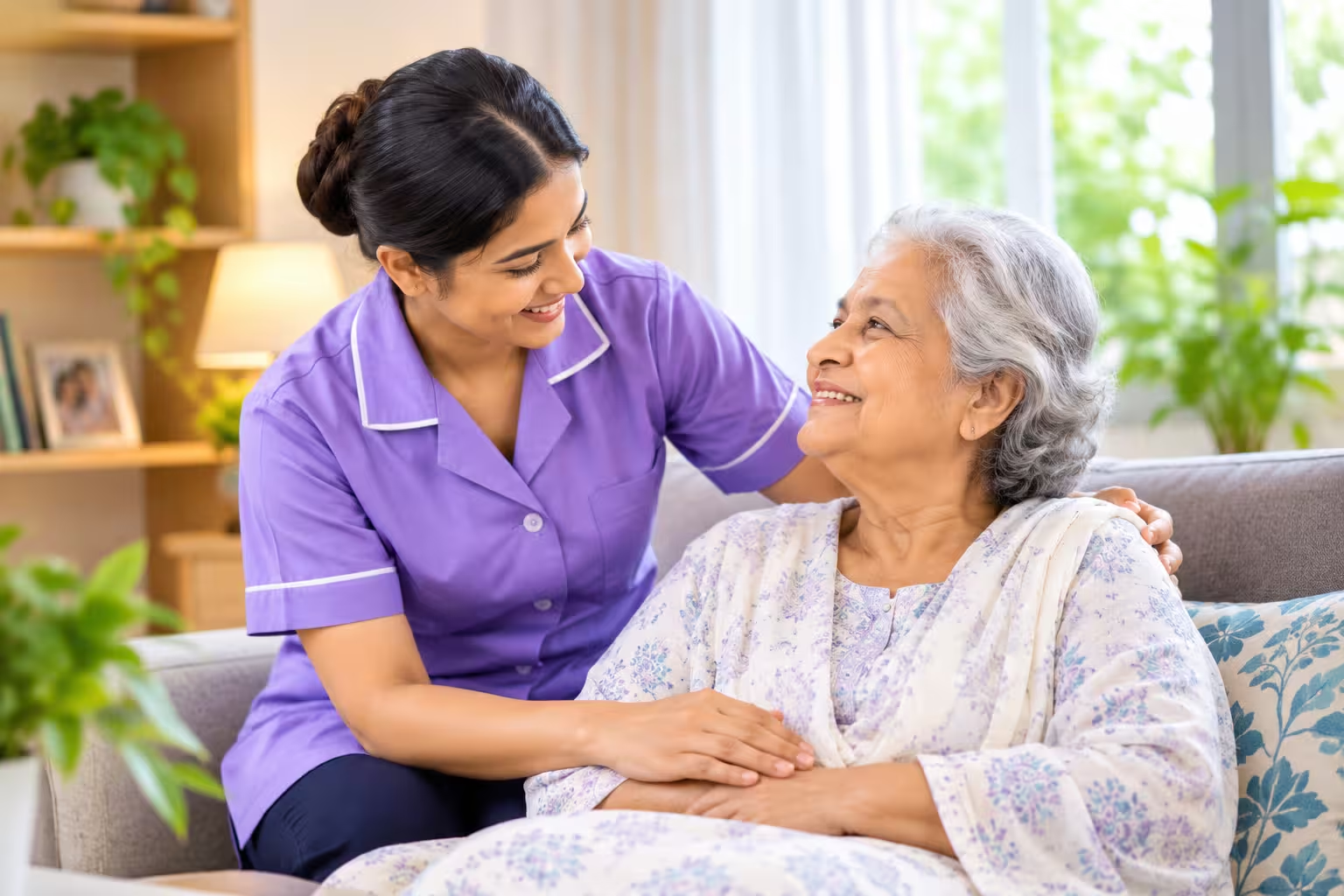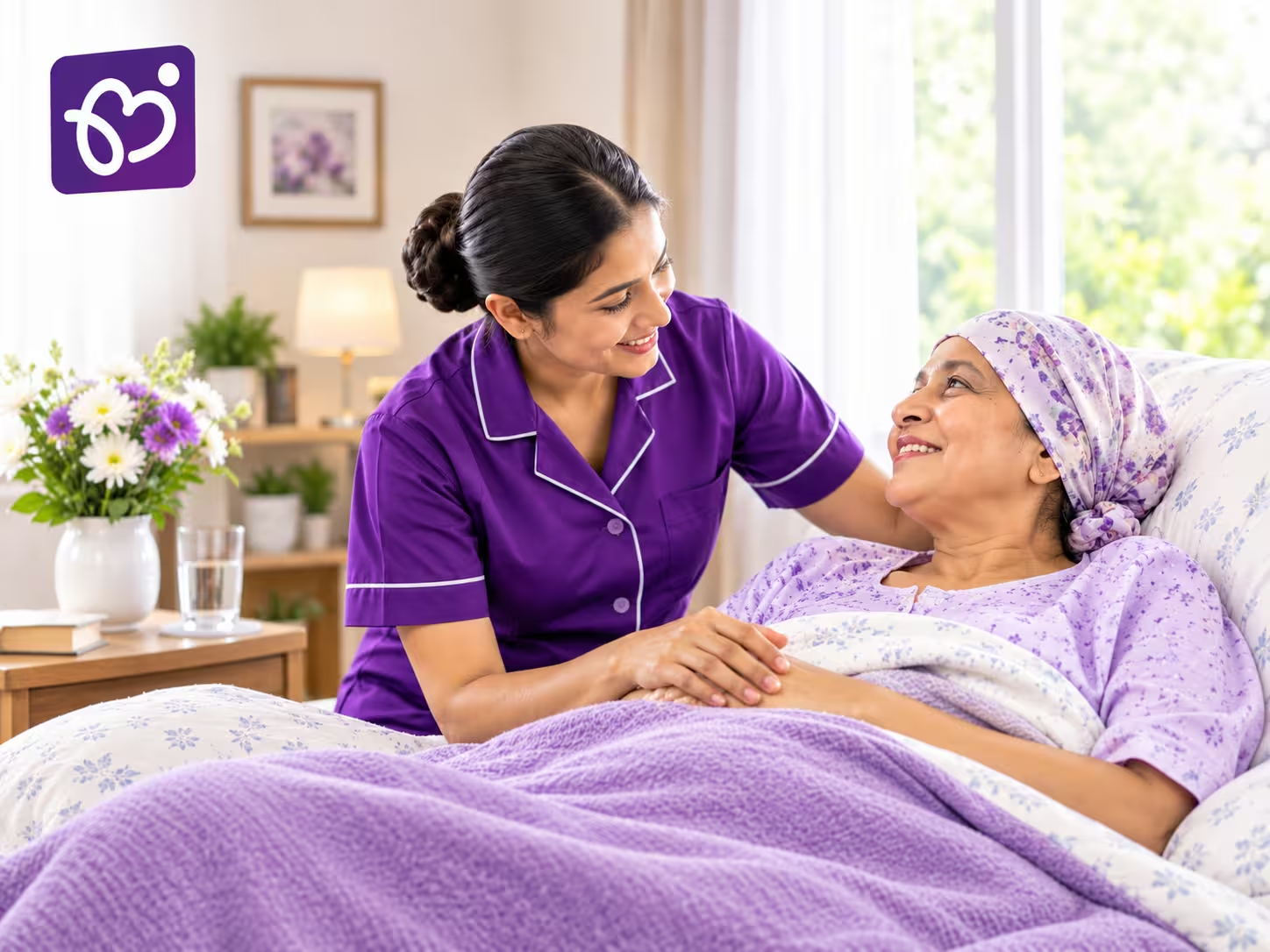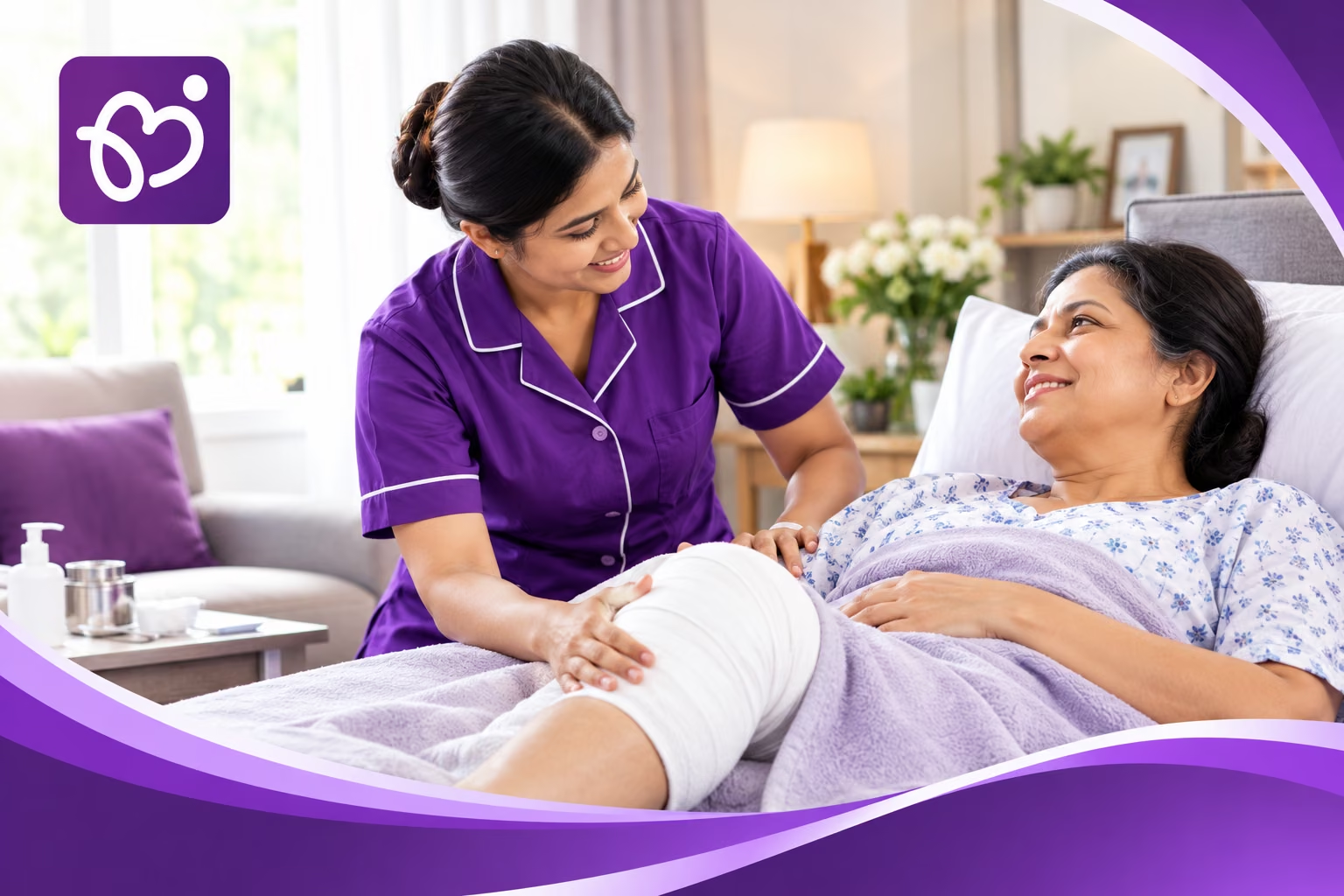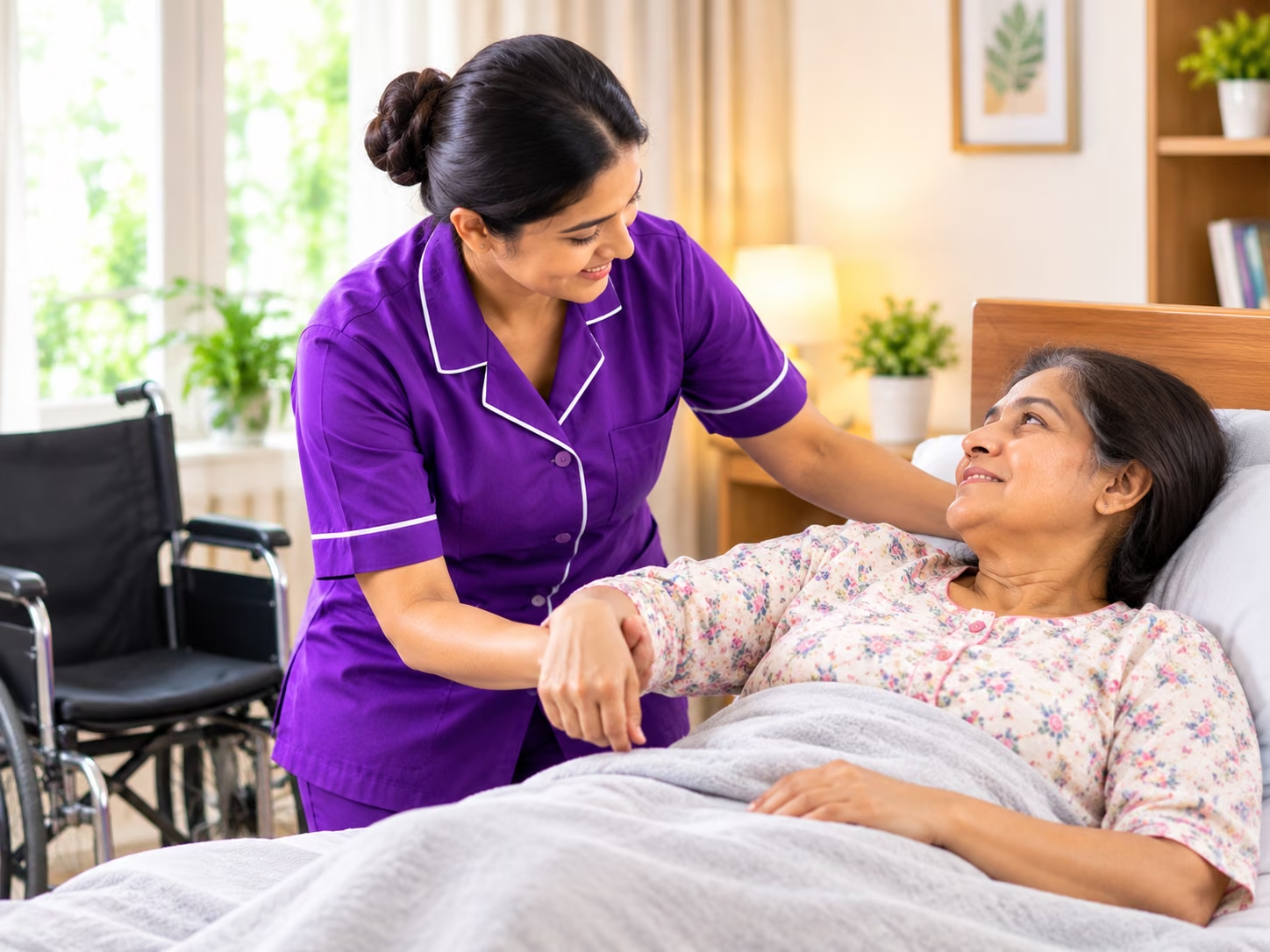
Cancer patient care at home helps a loved one stay comfortable, clean and respected while treatment continues. Hospital visits are tiring, and after returning home, the patient still needs help with bathing, meals, walking and rest. However, many families try to manage all of this alone, and soon they feel exhausted.
At Caregiver Agency BD, we understand this struggle. A calm daily routine makes life easier for the patient and for the family. In this guide, you will learn how home care for cancer patients works, what a caregiver can and cannot do, and how to choose the right support in Bangladesh.
Why Cancer Patient Care at Home May Be Helpful
Cancer treatment can leave a person weak, tired and low in appetite. As a result, even simple tasks like standing up or taking a bath can feel hard. Home care can ease this burden in several ways. First, the patient stays in a familiar and comfortable place. Second, family members get time to rest. Third, a steady daily routine often reduces anxiety. Finally, the patient keeps more privacy and dignity.
The National Cancer Institute explains that caring for someone with cancer can be demanding for family members, both physically and emotionally. Therefore, extra help at home can make a real difference. Still, home care does not replace hospital treatment. Instead, cancer patient care at home supports the patient between medical appointments.
Cancer Patient Care at Home: Daily Assistance and Personal Hygiene
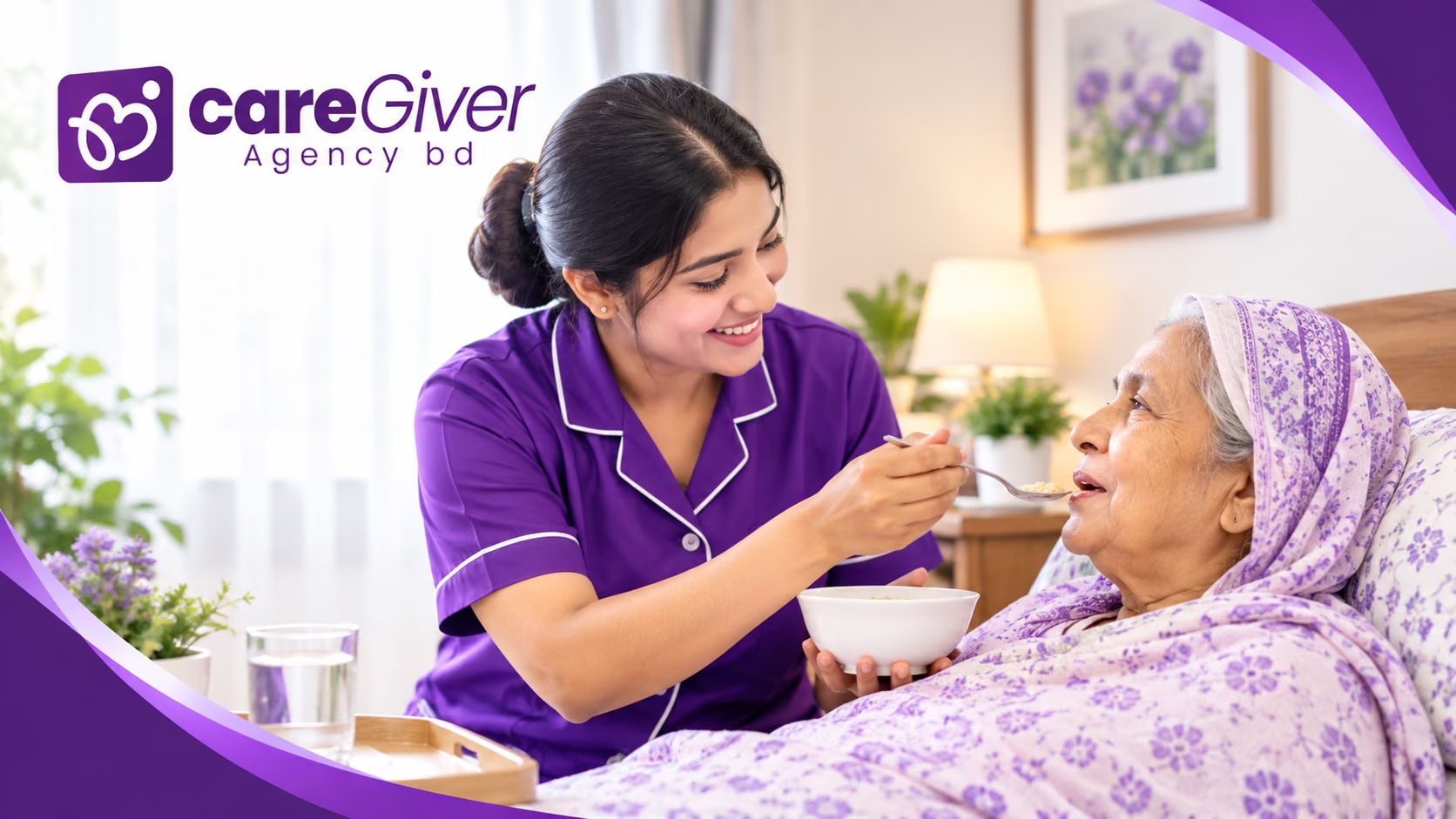
Personal care is one of the most important parts of daily support. When a patient feels clean, they often feel calmer and more confident. A trained helper can assist with bathing, changing clothes, mouth care and toilet needs. In addition, the helper can change bed linen regularly and keep the room tidy and well aired.
However, treatment can make the skin dry, tender or sensitive. So always use soft towels and mild products. Before using any new cream or lotion, ask the doctor or nurse. Also, let the patient do as much as they can alone. For example, choosing a shirt or brushing their own hair helps protect self-respect.
Comfort, Mobility and Fall Prevention
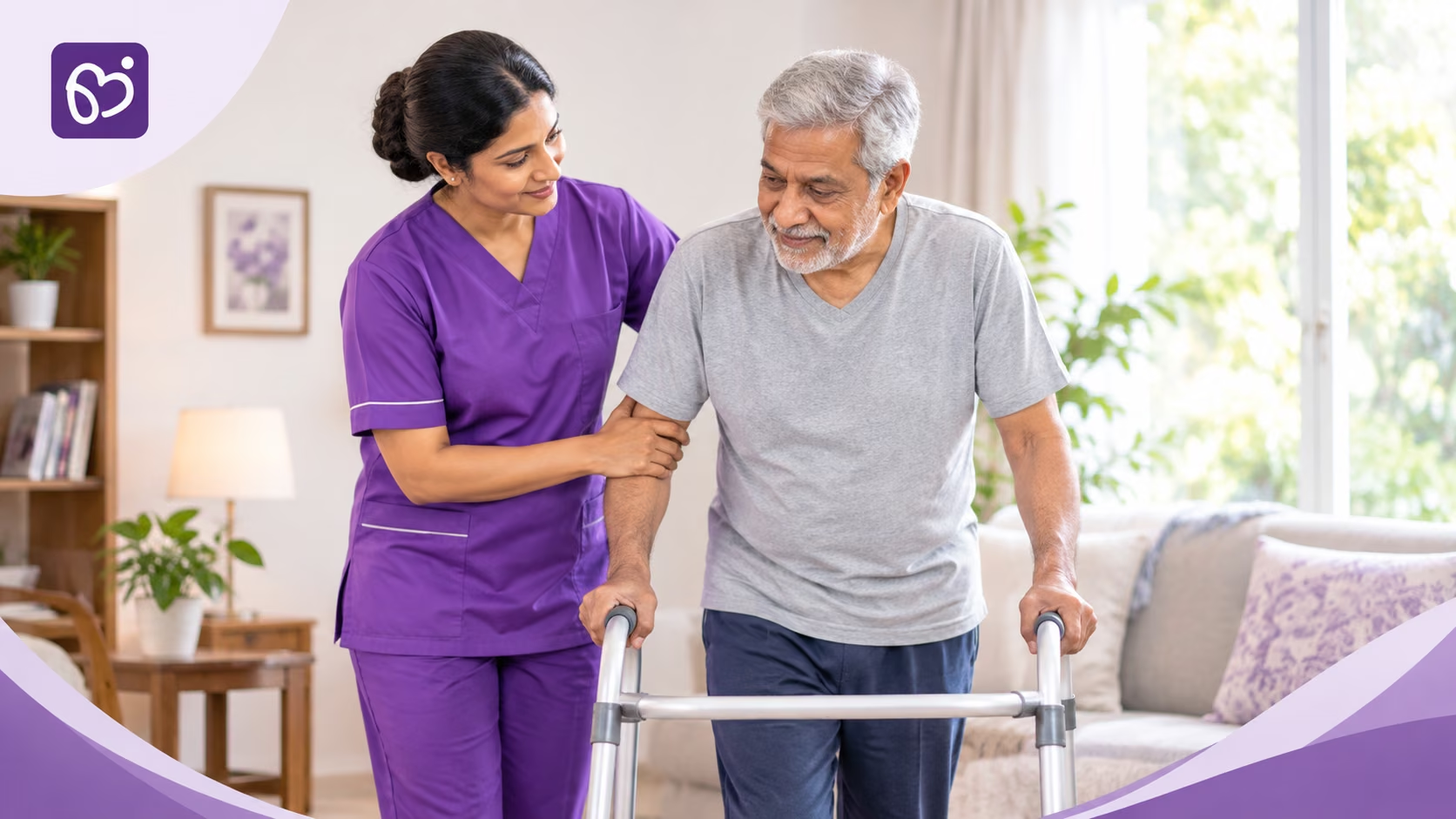
Weakness and dizziness can raise the risk of falls. Fortunately, a few simple changes can make the home much safer.
- Keep walkways free of wires, mats and clutter.
- Use good lighting, especially at night.
- Place a non-slip mat in the bathroom.
- Keep water, tissues and a phone within easy reach.
- Help the patient stand up slowly, because sudden movement can cause dizziness.
If the patient spends many hours in bed, ask the nurse how to keep them comfortable and protect the skin. Moreover, some patients benefit from a physiotherapy home service when their doctor agrees. Gentle movement guided by a professional can help with strength and stiffness. Some families also need a hospital bed or wheelchair, so you may look at medical equipment for home use if the patient’s condition requires it.
Food, Hydration and Nutrition Support
Eating can be difficult during treatment. Some patients feel sick, develop mouth sores or simply lose interest in food. Because needs differ from person to person, please follow the advice of the treating doctor or a dietitian. The type of cancer and the treatment both matter.
Still, some general ideas help many families. For example, offer small meals more often instead of large ones. Keep water or other fluids nearby and encourage small sips. Also, serve food at a temperature the patient can tolerate, and respect changing likes and dislikes. Finally, store and handle food hygienically.
Please remember that no food, herb, supplement or home remedy can cure cancer. Therefore, do not start any supplement or special diet without asking the medical team first, since some products can interfere with treatment.
Emotional Support and Respectful Communication
Cancer affects the mind as well as the body. Fear, sadness, anger and tiredness are all common. In addition, many patients worry about being a burden.
Families and caregivers can help in simple ways. First, listen without rushing, because sometimes people just want to be heard. Next, speak to the patient with respect, and include them in decisions about their own day. Also, be honest and gentle, and avoid false promises. Small routines such as tea time, prayer or music can bring calm. Meanwhile, remember that caregivers need rest too.
If the patient seems hopeless, very low or unable to sleep, tell the treating doctor. After all, emotional care is part of good cancer care.
The Role of a Cancer Patient Caregiver
A cancer patient caregiver gives daily, practical help. This is very different from the medical treatment that doctors and nurses provide.
What a caregiver can help with
A caregiver can assist with hygiene, dressing, meals, safe movement and company. In addition, they can remind the family about routines and keep simple notes about meals, rest and mood. These notes are useful when the family meets the doctor.
What a caregiver should not do
However, a caregiver is not a replacement for an oncology team. A caregiver should not diagnose cancer or any new symptom. Likewise, they should not change or stop treatment, or prescribe or adjust medicines. These decisions belong only to qualified doctors.
Some patients also need clinical tasks such as wound care or injections. Because these need a qualified nurse, you can read about nursing home care to understand how nursing support differs from daily assistance.
Infection Prevention and Hygiene Precautions
Infection prevention is a key part of cancer patient care at home. Some treatments weaken the body’s defence against infection, so hygiene matters a great deal.
- Wash hands with soap and water before touching the patient or preparing food.
- Ask visitors who are sick or coughing to stay away until they recover.
- Keep the room, bedding and towels clean.
- Clean bathroom surfaces regularly.
- Cover food properly, and avoid stale leftovers.
Since precautions can change from one treatment to another, ask the treating team what the patient needs.
When Families Should Contact the Treating Medical Team
Cancer patient care at home is safest when the family and the medical team stay in touch. Therefore, never wait too long when something seems wrong. Please contact the oncology team or doctor if you notice any of these signs:
- Fever, chills or shivering
- Sudden or severe pain
- Repeated vomiting or inability to drink fluids
- Trouble breathing
- Unusual bleeding or bruising
- Confusion, extreme drowsiness or a sudden change in behaviour
- Redness, swelling or discharge around a wound or catheter site
Before giving any medicine for fever or pain, ask the team, because some medicines can hide important signs. In an emergency, take the patient to the nearest hospital immediately.
Meanwhile, some families need extra support at home. If a doctor advises oxygen, you can learn about oxygen cylinder service. Similarly, some families arrange a doctor home visit when travelling to hospital is hard. Even so, always follow the treating team’s instructions first.
How to Choose Home Care Services for Cancer Patients in Bangladesh
Good cancer patient care at home depends on trained, respectful people, so take your time and ask clear questions.
- First, define the need. Is it daily help, nursing support or night care?
- Next, ask about training and experience with seriously ill patients.
- Then ask how the agency screens and verifies its staff.
- Also, look for kindness and respect, because a good caregiver protects the patient’s dignity.
- Ask clearly what the caregiver can and cannot do.
- Before you decide, review the pricing plans and confirm all details.
- Finally, make sure the caregiver and the medical team can share information.
To see the full range of home care services for cancer patients and other families, visit our services page. Additionally, the World Health Organization lists palliative care as an important part of cancer control, together with prevention and treatment. This shows why comfort and quality of life matter so much.
Frequently Asked Questions
What is cancer patient care at home?
It means helping a cancer patient with daily needs in their own home. For example, this includes hygiene, meals, movement, rest and emotional support. Meanwhile, doctors and nurses still direct the medical care.
Can a caregiver treat cancer or give medicine?
No. A caregiver provides daily assistance only. Treatment, diagnosis and medicines are decided by qualified doctors and nurses.
Is home care for cancer patients suitable for everyone?
Not always, because it depends on the patient’s condition and the medical team’s advice. Some patients need hospital care at certain times. Therefore, ask your doctor what is safe for your family member.
What is the difference between a caregiver and a nurse?
A caregiver helps with daily activities such as bathing, feeding and moving around. A nurse, however, is trained to give clinical care, such as dressing wounds or giving injections, when the doctor advises it.
Which food is best for a cancer patient?
There is no single best diet. Since needs change with the type of cancer and treatment, please follow the advice of the treating doctor or dietitian.
How can I tell if I need a cancer patient caregiver?
You may need one if the patient finds daily tasks hard. Likewise, you may need help if family members are exhausted or nobody is available during the day or night.
How do I start arranging help?
First, talk to the treating team. Then note the patient’s daily needs, and finally speak with a trusted agency about the support you want.
Conclusion
Cancer patient care at home can bring comfort, dignity and routine to a very hard time. When families have the right support, they can focus on being present while a trained helper handles daily needs. However, the treating medical team should stay involved at every step. So choose kind, respectful help, and keep asking questions until you feel comfortable.
If you would like to talk about your family’s needs, please contact Caregiver Agency BD. Our team will be happy to listen and discuss how home care assistance may fit your situation.