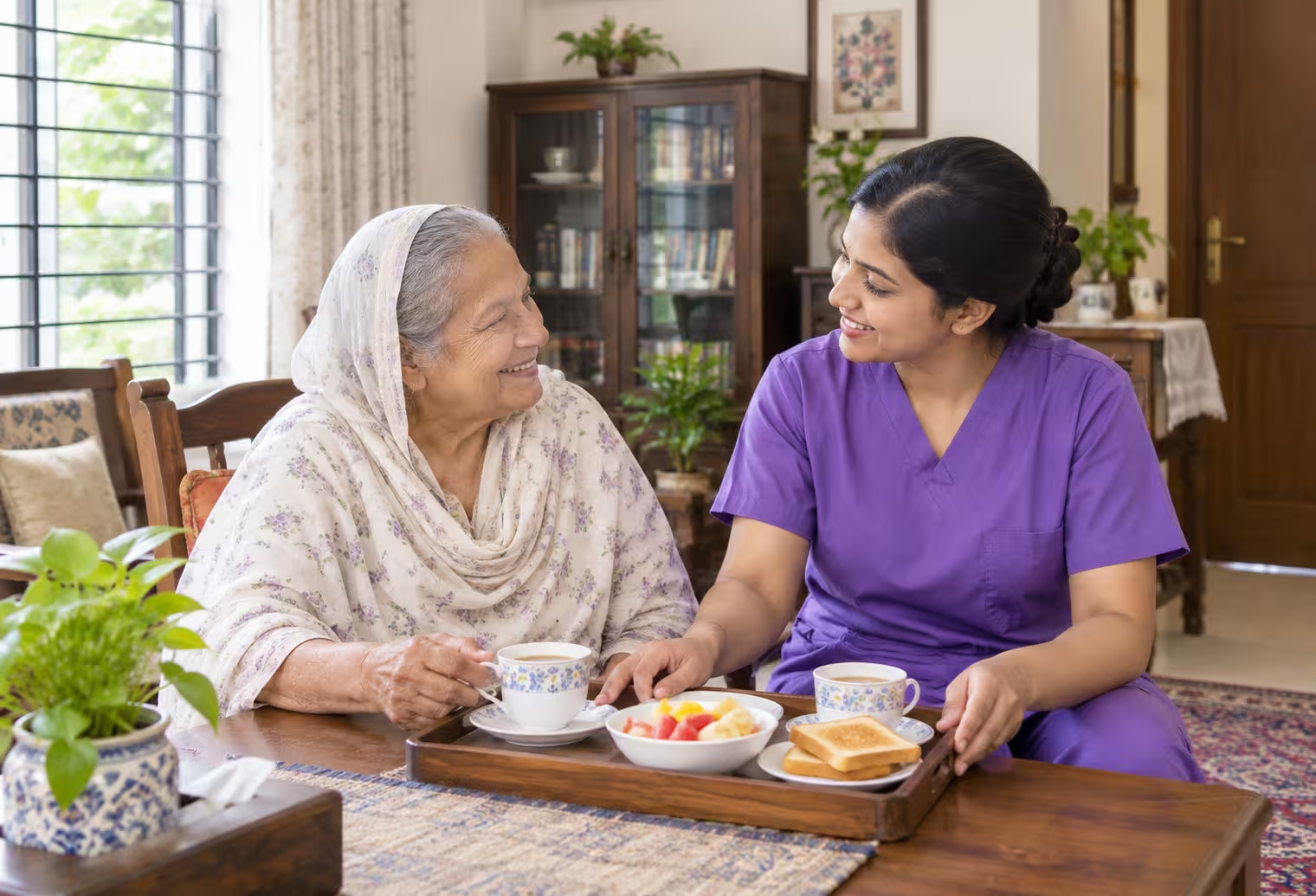

Caring for someone with diabetes involves more than reminding them to take their medicine. Daily meals, personal hygiene, physical activity, regular routines, and attention to changing health needs all matter. When a family member needs extra help with these activities, a Caregiver for Diabetic Patient at Home can make everyday life easier for both the patient and their family.
For elderly people and patients who cannot manage every daily task independently, having someone available at home can make a meaningful difference. A suitable caregiver helps with personal care, meal assistance, mobility, and medication reminders while following the family’s instructions and the patient’s healthcare plan.
At Caregiver Agency BD, we understand that every patient’s needs are different. Some people need only a few hours of assistance, while others require regular day or night support. This guide explains what families should know before arranging home care for someone living with diabetes.
Why Does a Diabetic Patient Need a Caregiver at Home?
Diabetes affects people differently. Some patients manage their daily activities without assistance. However, older adults and people with other health conditions may find it difficult to maintain their usual routines.
For example, an elderly person may forget medication times, struggle to prepare meals, or need help moving around the house. Similarly, a patient with vision problems or reduced mobility may require assistance with personal hygiene and everyday activities.
A home caregiver can help with these responsibilities without taking away the patient’s independence.
Families may consider arranging a caregiver when a diabetic patient:
- Needs help with bathing, dressing, or personal hygiene.
- Has difficulty preparing or eating meals independently.
- Frequently forgets prescribed medication times.
- Needs assistance with walking or moving around.
- Lives alone and requires regular daily support.
- Has limited mobility due to age or another health condition.
- Needs help following an established daily care routine.
The goal is not to make the patient dependent on someone else. Instead, suitable assistance helps them manage daily life with greater comfort and dignity.
What Does a Caregiver for Diabetic Patient at Home Do?
A caregiver provides practical, non-clinical assistance based on the patient’s daily needs and the agreed care plan. The responsibilities may vary depending on age, mobility, personal preferences, and family requirements.
Here are some important areas where a caregiver can help.
1. Helping Maintain Regular Meal Times
Food plays an important role in diabetes management. Patients may need to follow a meal schedule recommended by their doctor or dietitian.
However, preparing meals and maintaining regular eating habits can become difficult for elderly or dependent patients.
A caregiver can help by:
- Preparing or serving meals according to family instructions.
- Maintaining the patient’s usual meal schedule.
- Assisting with eating when necessary.
- Providing drinking water throughout the day.
- Helping keep the eating area clean and comfortable.
For example, an elderly patient who struggles to prepare breakfast can receive assistance with morning meals. This makes it easier for the family to maintain a consistent daily routine.
A caregiver should follow the prescribed dietary instructions rather than create a new diabetes diet or independently restrict food.
2. Medication Reminders and Daily Routine
Some people with diabetes take medication at specific times. Others may need to follow a more detailed treatment schedule.
Unfortunately, older patients sometimes forget their prescribed medication or become confused about their routine.
A caregiver can provide medication reminders based on the instructions given by the healthcare professional. They can also help families keep track of the patient’s routine.
This support may include:
- Reminding the patient about scheduled medicines.
- Following the written medication instructions.
- Informing family members when a dose is missed.
- Helping maintain an organized daily schedule.
However, a regular caregiver should not change medication doses, prescribe medicines, or make treatment decisions.
Insulin injections and other clinical procedures should be handled by an appropriately qualified healthcare professional.
3. Personal Hygiene and Daily Assistance
Personal hygiene can become challenging when a diabetic patient is elderly, physically weak, or has difficulty moving independently.
In such situations, a caregiver can provide respectful assistance with everyday activities.
These may include:
- Bathing and washing.
- Brushing teeth and grooming.
- Changing clothes.
- Toileting assistance.
- Keeping bedding and personal belongings clean.
- Helping the patient maintain a comfortable daily routine.
Good hygiene also helps families notice visible changes in the patient’s skin. Any unusual wound, irritation, or sign of infection should be reported promptly.
Families who need assistance with these activities can also explore our personal care assistance at home service.
4. Mobility Support and Daily Physical Activity
Some diabetic patients experience weakness, reduced balance, or difficulty walking. These problems can become more noticeable in older adults.
A caregiver can assist with simple daily movements, such as getting out of bed, sitting in a chair, walking inside the home, and moving safely between rooms.
Depending on the patient’s condition, support may also include:
- Helping the patient stand and sit safely.
- Assisting with wheelchair movement.
- Supporting movement during everyday activities.
- Following mobility instructions provided by a healthcare professional.
- Helping keep walking areas free from obstacles.
Regular physical activity can be beneficial for many people with diabetes. However, the type and level of activity should match the patient’s health condition and medical advice.
Patients who need a supervised exercise or rehabilitation programme may also benefit from physiotherapy home service with a qualified physiotherapist.
5. Blood Glucose Monitoring Support
Blood glucose monitoring helps patients and healthcare professionals understand how their diabetes management plan is working.
Some patients check their blood sugar at home using a glucose meter. However, elderly people or those with vision or mobility difficulties may need assistance.
Depending on their training and assigned responsibilities, a caregiver may help the patient follow the approved monitoring routine. They can also assist with recording readings and informing family members about unusual results.
Families should remember that a caregiver does not diagnose diabetes-related problems or decide how treatment should change.
If blood glucose readings are repeatedly outside the patient’s recommended range, contact the treating healthcare professional.
6. Foot and Skin Care Assistance
Foot health deserves special attention when caring for someone with diabetes. Some patients develop reduced sensation or circulation problems, which can make it harder to notice injuries.
A small cut or blister may become a serious problem if it goes unnoticed.
A caregiver can support everyday foot hygiene by:
- Helping the patient wash and dry their feet.
- Checking for visible cuts, redness, or swelling.
- Helping the patient wear suitable footwear.
- Keeping socks and footwear clean and comfortable.
- Informing the family about unusual changes.
Never ignore a wound, infection, swelling, or change in skin colour. Arrange medical assessment promptly rather than attempting to treat a diabetic foot wound independently.
For more information, families can read the WHO diabetes information and health guidance.
Special Considerations for Elderly Diabetic Patients
Older adults with diabetes may face several challenges at the same time. For example, a person may have diabetes along with arthritis, vision difficulties, memory problems, or reduced mobility.
Because of these additional needs, elderly diabetic patient care should focus on more than medication reminders.
A suitable caregiver arrangement may include:
Morning assistance: Helping the patient wake up, wash, dress, and have breakfast according to their usual routine.
Daytime support: Assisting with meals, prescribed medication reminders, personal hygiene, and safe movement around the home.
Evening assistance: Helping the patient prepare for bed, maintain personal cleanliness, and follow the established evening routine.
Family communication: Sharing relevant observations about changes in appetite, mobility, behaviour, or daily activities.
This type of structured support can help family members understand how their loved one is doing throughout the day.
If your family member needs broader assistance, explore our patient care at home service for additional home care support.
Warning Signs Every Family and Caregiver Should Know
A caregiver should understand when a patient’s condition needs attention. Although everyday support is important, certain symptoms require medical assistance.
Signs of Low Blood Sugar
Low blood glucose, also called hypoglycemia, can cause:
- Sweating or shaking.
- Sudden hunger.
- Dizziness or weakness.
- Confusion or unusual behaviour.
- Blurred vision.
- Difficulty speaking in severe cases.
Severe hypoglycemia can cause seizures or unconsciousness. In such situations, seek emergency medical assistance immediately. Never give food or drink to an unconscious person.
Signs of High Blood Sugar
High blood glucose may cause:
- Increased thirst.
- Frequent urination.
- Dry mouth.
- Blurred vision.
- Unusual tiredness.
- Increased hunger.
Some serious complications can develop quickly. Vomiting, abdominal pain, difficulty breathing, confusion, or reduced consciousness require urgent medical attention.
Families should provide the caregiver with emergency contact details and written instructions from the patient’s healthcare professional.
A caregiver should never delay medical attention while trying to manage a serious condition at home.
Caregiver vs Nurse: Which Support Does a Diabetic Patient Need?
One common question among families is whether they should hire a caregiver or a nurse for a diabetic patient.
The answer depends on the patient’s medical condition and the type of assistance required.
A caregiver generally supports daily living activities. A qualified nurse provides clinical care within their professional training and authorized scope.
| Caregiver Support | Professional Nursing Care |
|---|---|
| Personal hygiene assistance | Clinical patient assessment |
| Meal and feeding assistance | Insulin administration within authorized scope |
| Mobility assistance | Clinical procedures |
| Medication reminders | Medication administration |
| Daily routine support | Clinical monitoring and nursing care |
| Companionship | Wound care and other nursing procedures |
For example, an elderly patient who needs help with meals, bathing, walking, and medication reminders may benefit from caregiver support.
On the other hand, a patient who requires insulin injections, wound treatment, or other clinical procedures may need a qualified nurse.
Caregiver Agency BD also provides professional nursing home care for families who need additional clinical support.
The family should discuss the patient’s actual requirements before deciding which service is appropriate.
How to Choose the Right Caregiver for a Diabetic Patient
Choosing someone to support a loved one at home is an important family decision. A caregiver will become part of the patient’s everyday routine, so families should consider more than availability alone.
Before arranging a service, consider these points.
Check Relevant Experience
Ask whether the caregiver has experience assisting elderly people or patients with long-term health conditions.
Also, discuss the patient’s mobility, personal hygiene needs, and daily routine.
Understand the Caregiver’s Responsibilities
Clearly explain which activities require assistance. These may include bathing, meals, walking, medication reminders, and daily personal care.
Written responsibilities help prevent misunderstandings later.
Discuss Working Hours
Some patients need help only during the day. Others require overnight assistance or longer support.
Choose a schedule according to the patient’s needs and the caregiver’s availability.
Consider Personal Comfort
Some patients feel more comfortable with a male caregiver, while others prefer a female caregiver.
Discuss these preferences before confirming the arrangement.
Maintain Family Communication
Agree on how the caregiver will communicate with family members about daily activities, missed medication, unusual symptoms, or changes in the patient’s condition.
For first-time home care arrangements, families can also read our guide to choosing a caregiver service before making a decision.
Caregiver for Diabetic Patient at Home in Bangladesh
In Bangladesh, many families look after elderly parents or relatives while managing jobs, household responsibilities, and other commitments.
When a family member has diabetes, maintaining a regular daily routine can become difficult, especially when the patient also needs help with personal care or mobility.
A suitable home caregiver can help share these responsibilities.
Caregiver Agency BD provides caregiver support for elderly people and patients who need assistance with everyday activities. Families can discuss the patient’s condition, personal care requirements, preferred caregiver, and working hours before arranging a service.
Our available care arrangements include:
- 8-hour caregiver support.
- 12-hour caregiver support.
- 24-hour caregiver arrangements.
- Day and night caregiver assistance.
- Male and female caregiver preferences, subject to availability.
The appropriate arrangement depends on the patient’s daily needs and the level of assistance required.
You can also check our service areas in Bangladesh to learn more about home care availability.
For families who need medical assessment, our doctor home visit service can also be considered separately.
Frequently Asked Questions
1. Can a caregiver look after a diabetic patient at home?
Yes. A caregiver can assist with daily activities such as bathing, dressing, meals, mobility, personal hygiene, and medication reminders. The responsibilities should follow the patient’s care plan.
2. What daily support does a diabetic patient need?
Daily support may include regular meals, prescribed medication reminders, personal hygiene, safe movement, and blood glucose monitoring according to medical instructions. The exact needs depend on the patient’s health and independence.
3. Can a caregiver give insulin injections?
Insulin administration is a clinical task. Families should arrange an appropriately qualified and authorized healthcare professional rather than assume that a regular caregiver can perform injections.
4. Is a caregiver helpful for elderly diabetic patients?
Yes. Elderly patients who struggle with walking, bathing, dressing, meals, or daily routines may benefit from suitable home caregiver assistance.
5. Can a diabetic patient live independently with a caregiver?
Some patients can continue living at home with suitable daily support. However, the required supervision depends on their health, mobility, memory, and medical needs. Families should discuss the arrangement with their healthcare professional.
6. How many hours of caregiver support does a diabetic patient need?
There is no single schedule for everyone. Some patients need a few hours of assistance, while others require 8-hour, 12-hour, or 24-hour support. Families should choose according to the patient’s actual needs.
7. How can I arrange a caregiver for a diabetic patient in Bangladesh?
Contact a reliable home care agency, explain the patient’s condition and daily requirements, and discuss caregiver experience, working hours, responsibilities, and availability before confirming the service.
Arrange a Caregiver for Your Loved One
Caring for someone with diabetes requires patience, regular attention, and an understanding of their everyday needs. Even small tasks, such as preparing meals, helping with personal hygiene, or providing medication reminders, can become difficult when a patient has limited independence.
A suitable Caregiver for Diabetic Patient at Home can help families manage these daily responsibilities while allowing their loved ones to stay in familiar surroundings.
If your family needs home caregiver support, Caregiver Agency BD is ready to discuss your requirements. Tell us about the patient’s condition, preferred caregiver, and required working hours so that we can help you explore a suitable arrangement.