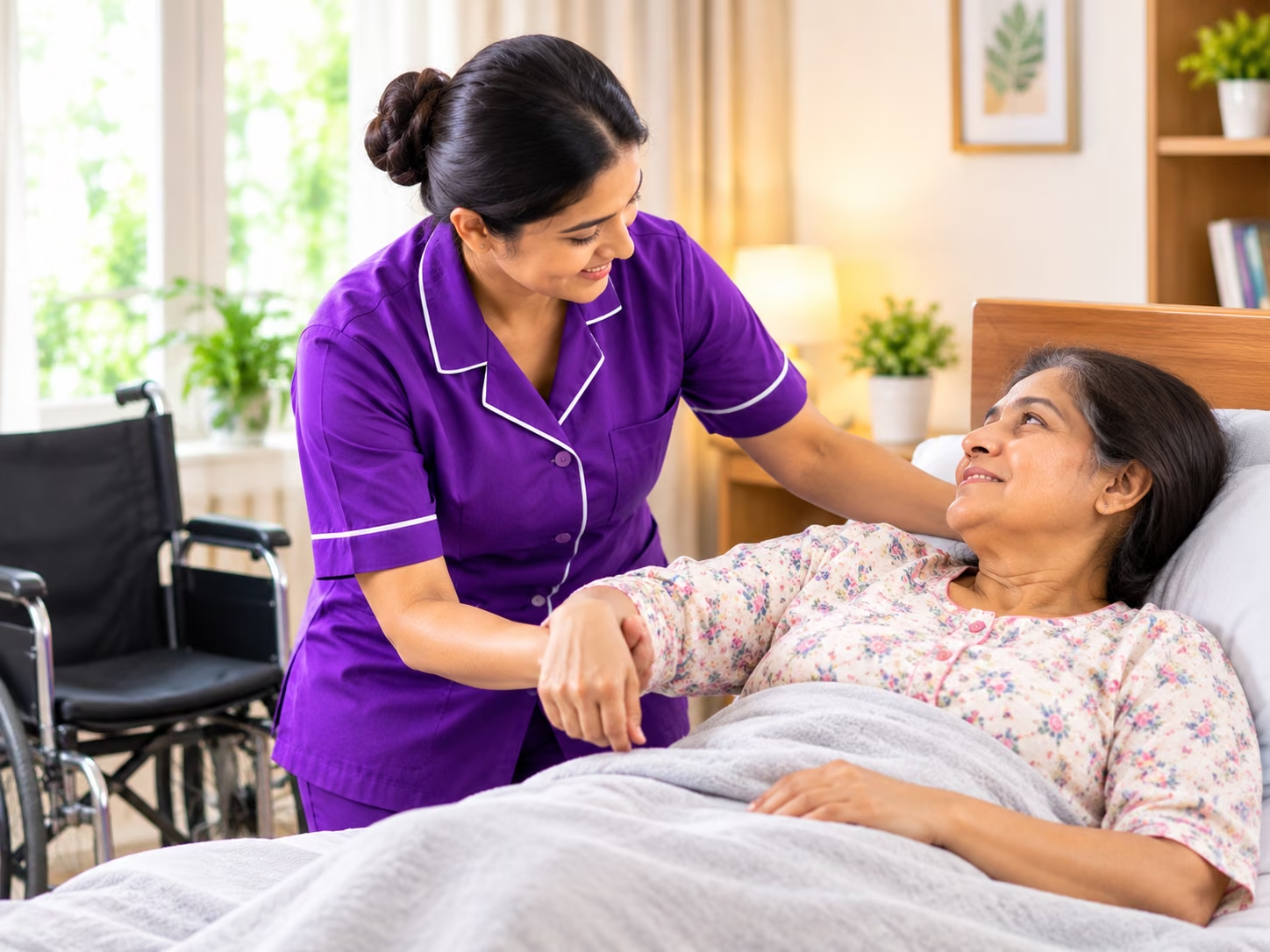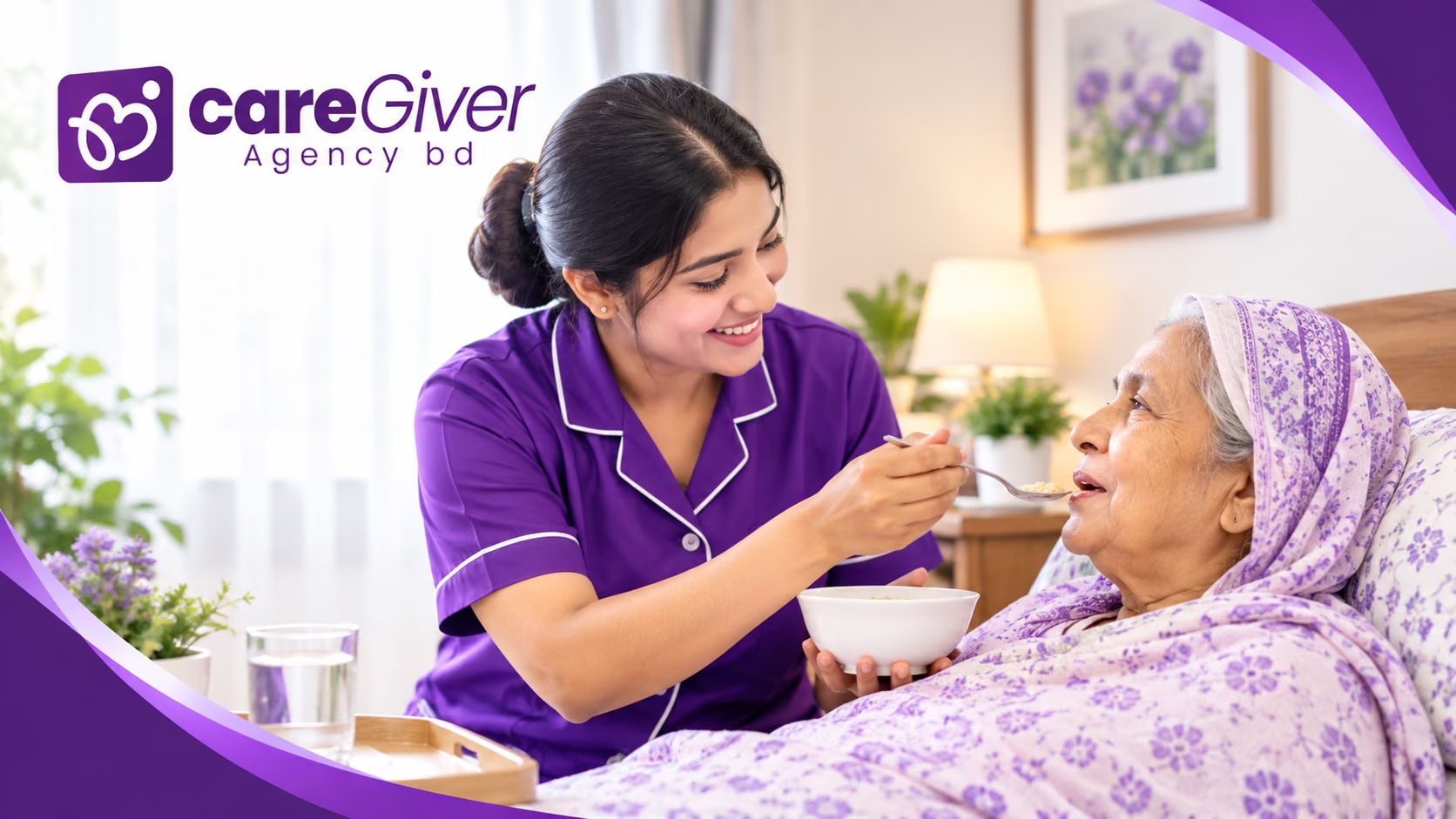
Personal care assistance helps elderly people and patients manage everyday tasks at home, such as bathing, dressing, eating and moving around. Growing older, recovering from surgery or living with a long-term illness can make these simple routines tiring. With the right support, a person can stay clean, comfortable and safe in familiar surroundings.
Every family’s situation is different, though. One person may need a little help in the morning, while another needs support through the day. In this guide, Caregiver Agency BD explains what this kind of support includes, who may need it and how to choose a caregiver you can trust.
What Is Personal Care Assistance?
Personal care assistance is non-clinical help with daily living. A caregiver supports someone with washing, dressing, eating, using the toilet and moving about. The aim is not to take over. Instead, a good caregiver helps the person do what they can alone and steps in only when needed.
Privacy and dignity matter a great deal here. Many people feel shy when they need help with personal tasks. For that reason, a caring caregiver speaks politely, asks about preferences and follows the person’s usual routine.
This type of help also differs from nursing. A personal caregiver supports daily activities, whereas medical tasks belong to qualified healthcare professionals. We explain the difference in more detail later in this guide.
Who Needs Personal Care Assistance at Home?
Needs vary from person to person. This kind of support may help:
- Elderly people who find daily tasks tiring or unsafe to do alone
- Patients recovering after leaving the hospital
- People with short-term mobility problems, such as after a fracture
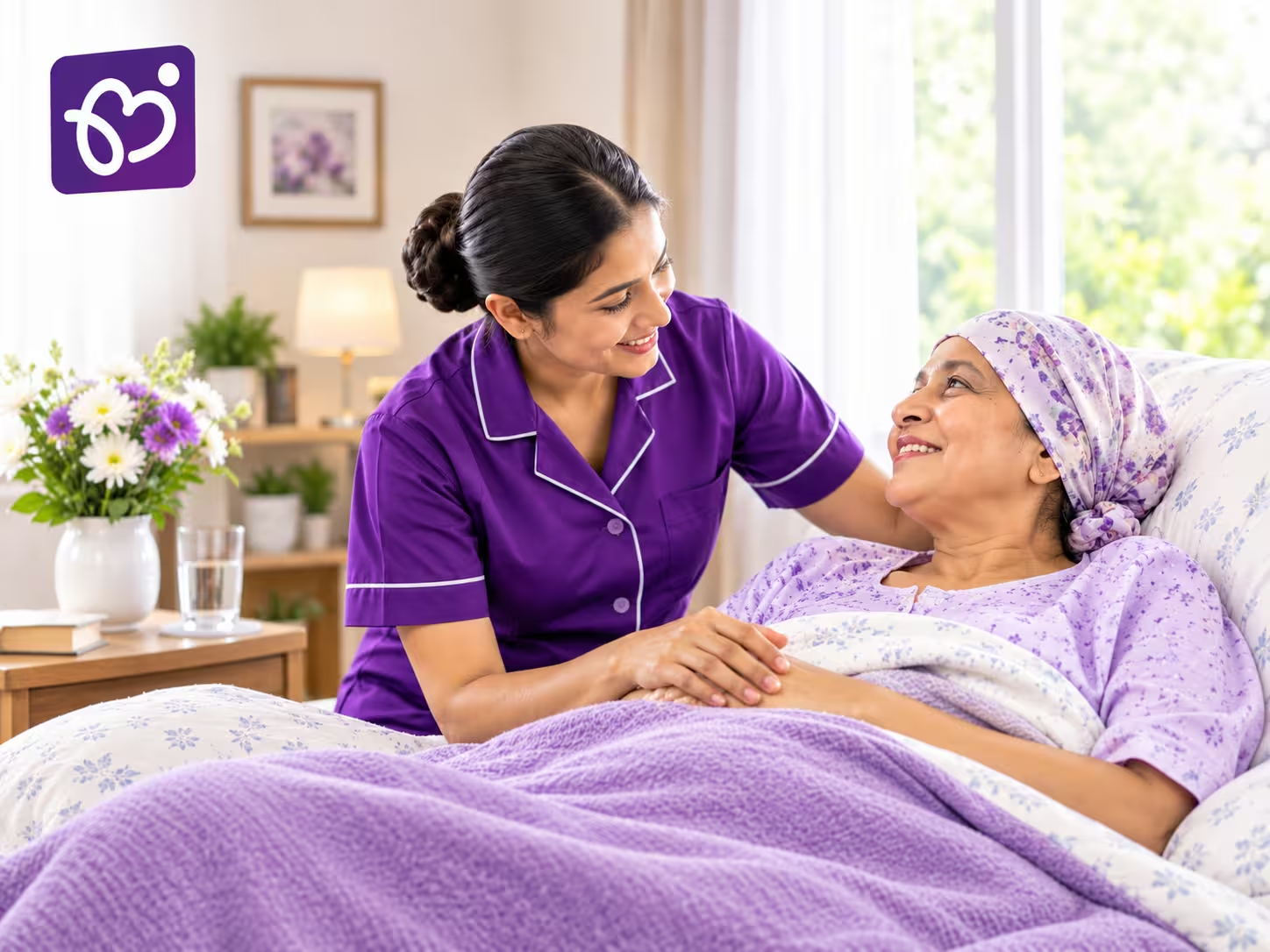
- Bedridden patients who need help with hygiene and changing position
- Anyone who wants extra support with everyday routines
Even so, not everyone in these groups needs the same level of help. A short talk with the family, and with the doctor where needed, makes it easier to decide. For long-term bed rest, our guide to bedridden patient care at home gives more detail.
What Does Daily Support Include?
Tasks depend on the person, but most home care covers the areas below. You can see the wider range of help on our caregiver service page.
Bathing, Grooming and Hygiene
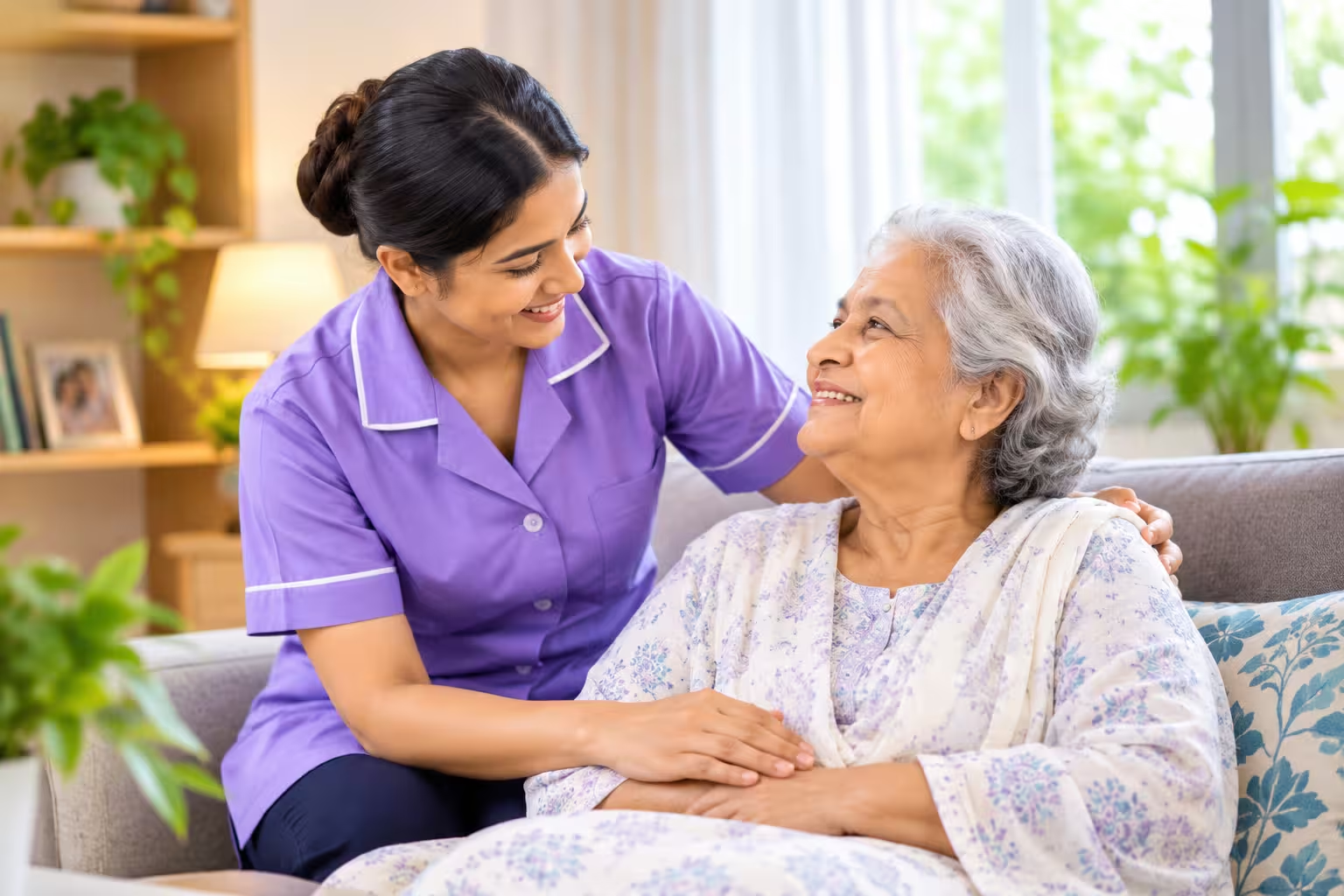
A caregiver can help with bathing, brushing teeth, combing hair and basic grooming. Safety comes first, because wet floors are slippery. For that reason, the caregiver prepares the space, keeps items within reach and supports the person gently. Feeling fresh and tidy also lifts confidence.
Dressing and Toileting Help
Choosing clothes, changing and using the bathroom are very private activities. A good caregiver helps calmly and without fuss. For example, they may help someone sit safely, adjust clothing or keep the area clean afterwards. Respect matters at every step.
Meals and Feeding Support
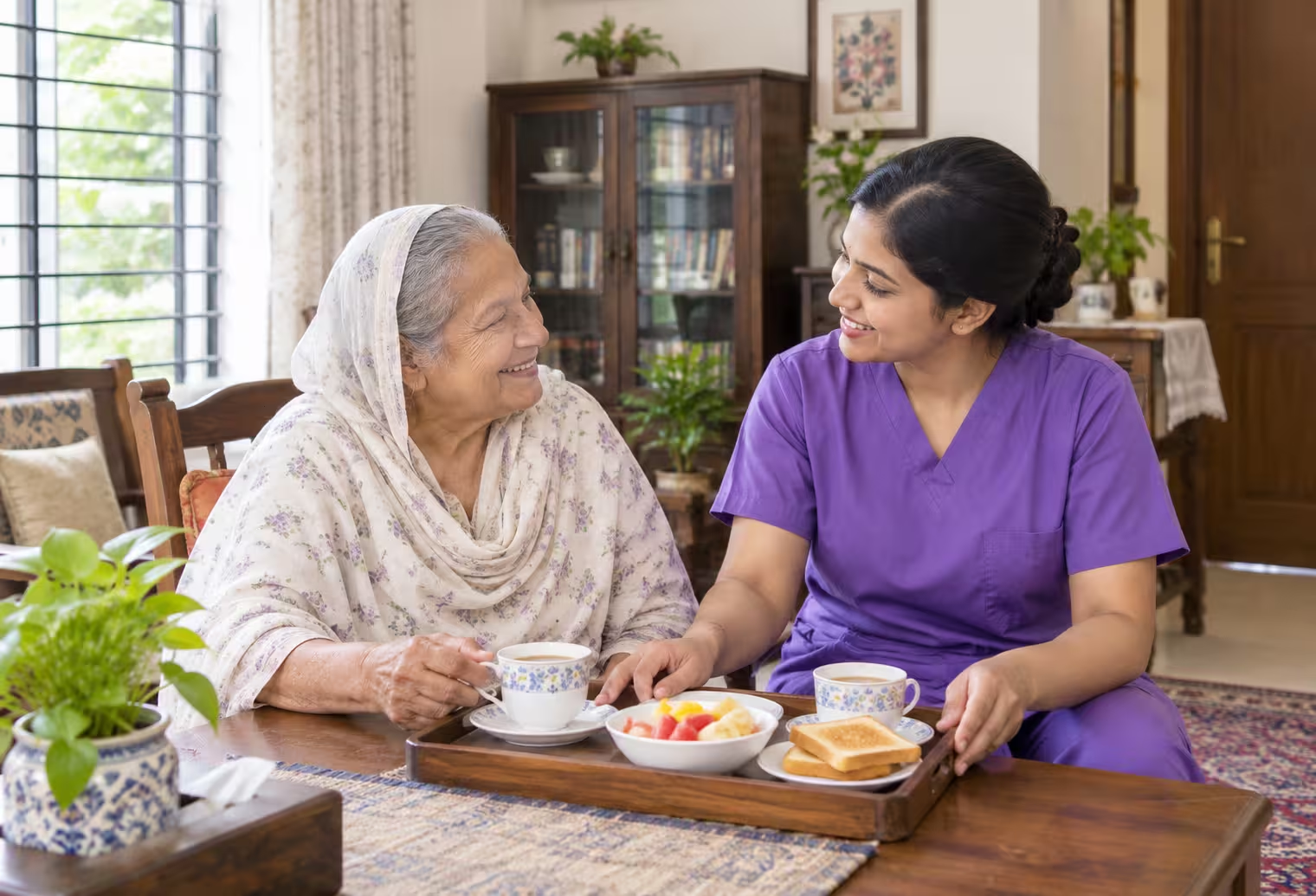
Caregivers can prepare simple meals, serve food and help with eating when needed. Any diet advice from the doctor should be followed closely. However, if a person coughs, chokes or struggles to swallow, a healthcare professional needs to assess the problem. A caregiver should never guess in such cases.
Mobility and Everyday Activities
Standing up, walking and getting out of bed can be risky for someone weak or unsteady. A caregiver can offer a steady arm, help with safe transfers and change the person’s position in bed or in a chair. Clear walkways and a nearby walking aid also help. No one can promise that falls will never happen, but careful support makes them less likely.
Companionship and Routine
Many older people feel lonely, especially when children live far away or work long hours. Chatting over tea, reading the newspaper together or keeping a regular routine can lift the mood. This quiet company is a valuable part of daily support.
How Families Benefit From Personal Care Support
Looking after a loved one is a big responsibility. Many families balance jobs, children and caregiving at once, so exhaustion builds up quickly.
Appropriate support can help in several ways:
- Family members get time to rest, work and handle other duties.
- The person receiving care enjoys a steadier daily routine.
- Independence stays in focus, because the caregiver supports instead of taking over.
- Relatives gain peace of mind, knowing someone is present.
Of course, care cannot guarantee better health. What it can do is make everyday life easier, safer and more comfortable.
Personal Care for Elderly People
Ageing is a natural part of life, and good support helps older adults live with dignity. The World Health Organization highlights healthy ageing, independence and respect as important parts of later life. Home support that follows these ideas can make a real difference.
Good elderly support starts with listening. What time does the person like to wake up? Which foods do they enjoy? Would they feel more comfortable with a male or female caregiver? Small choices help older people feel in control.
Fall risk deserves attention too. Slippery floors, poor lighting and loose rugs are common problems, and a caregiver can spot them early and tell the family. If you live in the capital, our page on elderly care in Dhaka offers local information.
Support for Patients Recovering at Home
The first weeks at home after a hospital stay can feel overwhelming. The patient may be weak or in pain, and relatives may feel unsure about what to do.
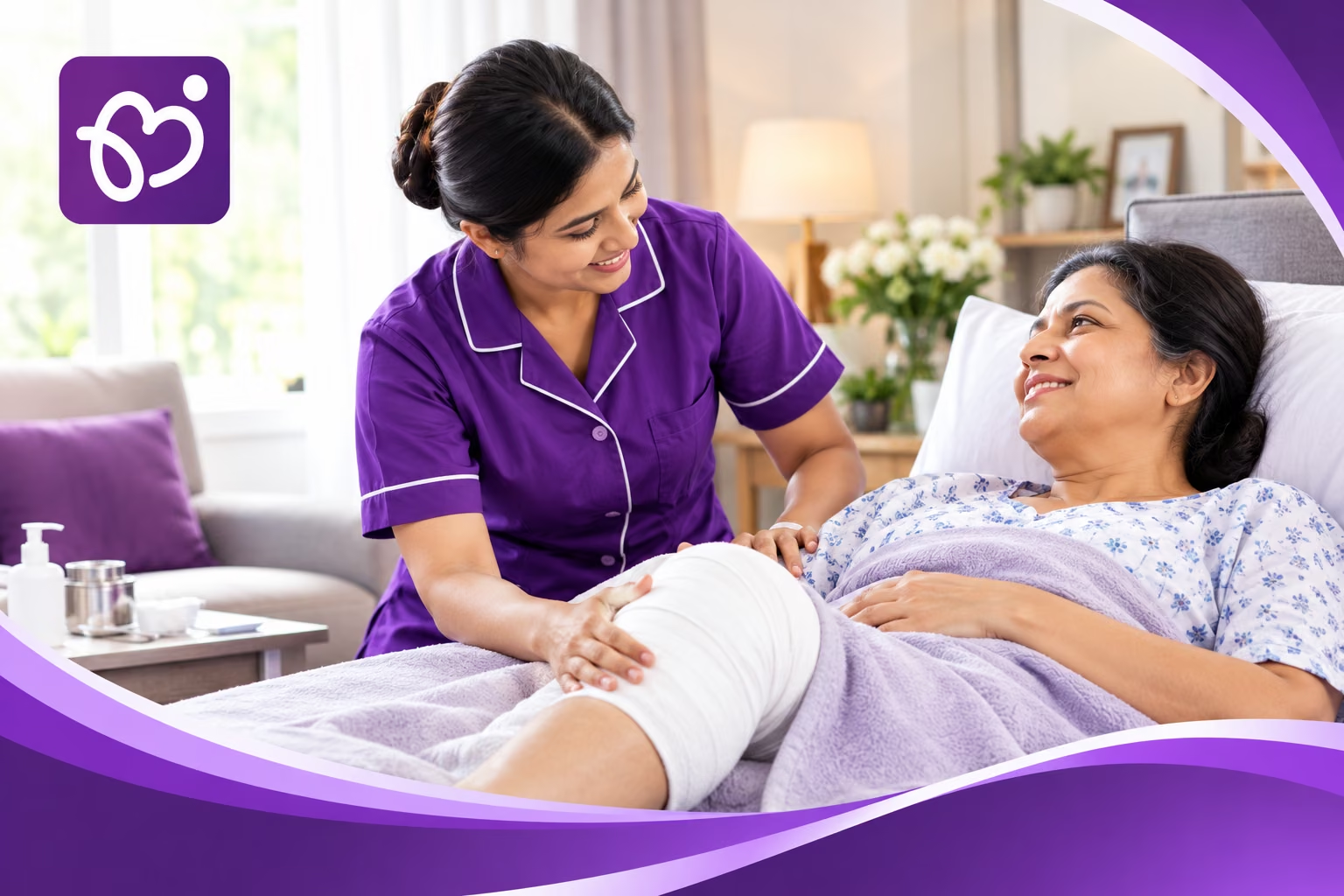
Here, a caregiver can help with washing, dressing, meals and moving around. They do not replace the doctor, however. Families should follow the discharge instructions, give medicines as prescribed and keep follow-up appointments. If anything worrying appears, such as new pain, fever or sudden confusion, call the treating doctor straight away.
For more on this stage, read our guide to post-surgery care at home in Dhaka. When travelling to a clinic is hard, some families also arrange a doctor home visit.
How to Choose the Right Caregiver
The right caregiver makes a big difference to comfort and trust. Before you decide, think about these points:
- Relevant experience. Ask whether they have looked after people with similar needs.
- References and identity checks. Confirm who they are and speak to previous employers or families.
- Clear duties and hours. Agree on tasks, working hours and days off in advance.
- Respectful communication. Notice how they speak to your family member and whether they listen patiently.
- Emergency arrangements. Make sure everyone knows who to call and what to do.
- Privacy and updates. Decide how the caregiver will share news with the family and protect personal information.
- Qualifications for clinical tasks. If any medical task is needed, confirm the person is properly qualified.
A short trial period also helps. It gives everyone time to see whether the match feels right.
Personal Care Assistance vs. Nursing Care
Many families mix these two up, so a clear line is useful.
Personal care assistance covers daily living activities, such as bathing, dressing, feeding, toileting and mobility support. Nursing care covers medical tasks. Injections, IV therapy, wound dressing and similar procedures must be done by appropriately qualified healthcare professionals within their scope of practice.
An untrained caregiver should never carry out medical tasks, because it can put the patient at risk. When a person needs both kinds of help, make sure the right professional handles each task. Families who need clinical support can look at nursing care at home in Dhaka.
Personal Care Assistance at Home in Bangladesh
In Bangladesh, many families look after elders at home, and that is a lovely tradition. Still, modern life is busy, and not every family can be present all day. Hiring help is a practical choice, not a failure of duty.
Before arranging support, you can follow these simple steps:
- List the tasks the person can do alone and those where help is needed.
- Decide on hours: a few hours, daytime only or round the clock.
- Check that the agency covers your location. Our service areas page shows where we work.
- Clarify duties, privacy rules and emergency plans with the caregiver.
- Ask questions until you feel comfortable.
For a wider overview, our guide to caregiver service in Bangladesh explains how home caregiving works across the country.
Frequently Asked Questions
What does personal care assistance include?
It includes help with bathing, grooming, dressing, toileting, meals, walking and everyday activities. Companionship and routine support may be part of it too. Medical procedures are not included.
Who can benefit from care at home?
Elderly people, patients recovering after a hospital stay, people with temporary mobility problems and bedridden patients may all benefit. The level of help depends on each person’s needs.
How is personal care different from nursing?
Personal care supports daily living. Nursing involves medical tasks like injections, IV therapy and wound dressing, which only qualified healthcare professionals should perform.
How can I choose a caregiver for an elderly family member?
Look at experience, references and communication style. Agree on duties, hours, privacy and emergency plans in advance. A short trial period can help you check the fit.
How do I arrange care in Bangladesh?
Start by listing your family member’s needs and preferred hours. Then contact a trusted agency, confirm that it covers your area and discuss the caregiver’s duties before care begins.
Talk to Caregiver Agency BD
Choosing support for someone you love is not easy, but you do not have to work it out alone. If you would like to discuss your family’s needs, preferred schedule or service availability, please contact Caregiver Agency BD. Our team will listen, answer your questions and explain your options without pressure.