Elderly Care in Bangladesh: Current Challenges, Family Models, and Emerging Healthcare Services
Introduction to the Landscape of Aging in Bangladesh
Aging is a universal human experience, but the context in which we grow old varies dramatically across cultures, geography, and economic systems. In Bangladesh, the demographic landscape is undergoing a silent yet profound transition. For generations, the societal framework was built on extended family structures where multiple generations lived under one roof. Younger family members naturally assumed the role of supporting their elders, blending respect, filial duty, and intergenerational affection into daily routine. Today, rapid economic development, urbanization, and changing career demands are reshaping these domestic patterns across Dhaka, Chattogram, and beyond. As a result, understanding elderly care in Bangladesh requires looking closely at both cherished traditions and modern healthcare realities.
As life expectancy increases due to advancements in public health and medical science, the proportion of senior citizens in Bangladesh is expanding faster than ever before. This demographic shift brings important questions regarding physical health, emotional well-being, and daily practical support. Many adult children find themselves balancing demanding jobs, raising their own kids, and trying to arrange proper care for aging parents. Navigating chronic health conditions, mobility limitations, and cognitive changes like dementia can leave families feeling overwhelmed. In this evolving climate, specialized home healthcare solutions and professional caregiver services offer practical, compassionate paths forward.
Traditional Family Models vs. Modern Demographic Shifts
Historically, the joint family model served as the primary safety net for senior citizens across urban and rural Bangladesh. Grandparents were the emotional heart of the household, surrounded by children, grandchildren, and extended relatives who shared daily responsibilities. Caring for elderly parents was not viewed as a separate task or service, but as an integral element of home life. Seniors enjoyed constant companionship, home-cooked meals tailored to their needs, and immediate assistance with daily mobility. This social structure provided strong psychological security, protecting older adults from the isolation that often accompanies later years in life.
However, structural economic changes have transformed how families live and interact. Urbanization has led to smaller apartment living in metropolitan centers, making joint family cohabitation less practical. Furthermore, internal migration for employment and international migration for higher education or career advancement mean many adult children live far from their family homes. The rise of nuclear family units means that adult children often work full-time hours outside the home. These lifestyle changes make it challenging to maintain continuous, hands-on support for aging relatives without external help.
Major Challenges Facing Senior Citizens Today
One of the most immediate hurdles facing older adults in Bangladesh is managing complex, chronic physical health conditions. Conditions such as type 2 diabetes, hypertension, cardiovascular disease, arthritis, and chronic respiratory illnesses become increasingly common with age. Managing these health issues requires strict adherence to daily medication schedules, routine doctor visits, regular blood glucose monitoring, and tailored physical therapy. When family members are busy or lack medical training, handling these routine clinical needs at home becomes a significant challenge.
Beyond physical ailments, emotional isolation and cognitive decline represent significant challenges for elderly individuals. When adult children leave for work and grandchildren attend school, seniors often spend long hours alone at home. This ongoing lack of social interaction can trigger severe depression, anxiety, and feelings of helplessness. Additionally, neurodegenerative conditions such as Alzheimer’s disease and vascular dementia require specialized supervision to manage memory loss, confusion, and behavioral changes safely. Without dedicated support, seniors face heightened risks of accidental falls, missed medication doses, and progressive nutritional deficiencies.
The Evolution of In-Home Caregiver Services
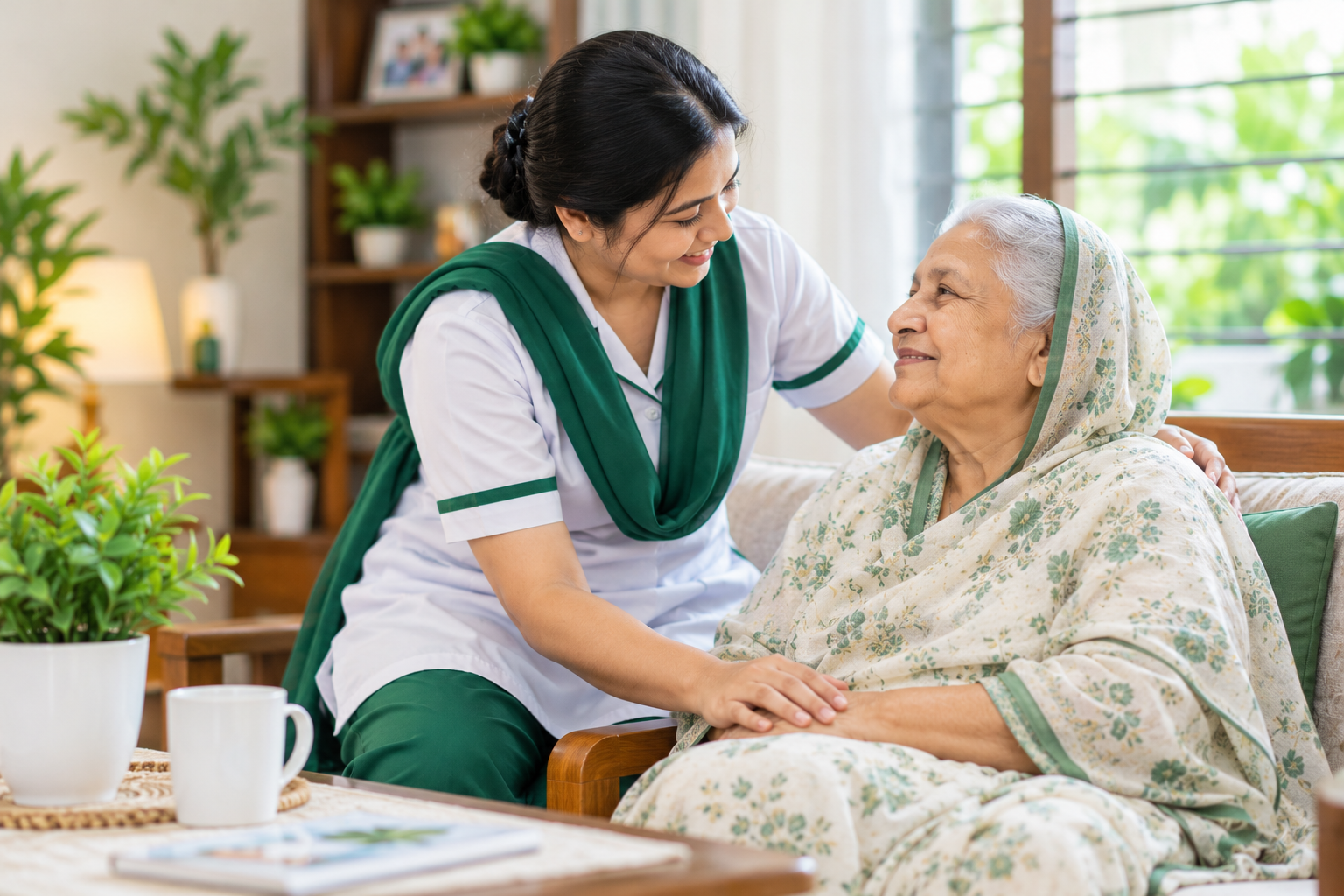
To bridge the gap between traditional family expectations and modern lifestyle constraints, elder home care services have emerged as an essential alternative in Bangladesh. Rather than placing an aging loved one in an institutional facility, families can now bring qualified care professionals directly into the home. This model preserves the senior’s sense of independence, dignity, and cultural comfort while ensuring their daily medical and personal needs are met. It allows elders to remain in familiar surroundings, sleep in their own beds, and stay connected with their local community.
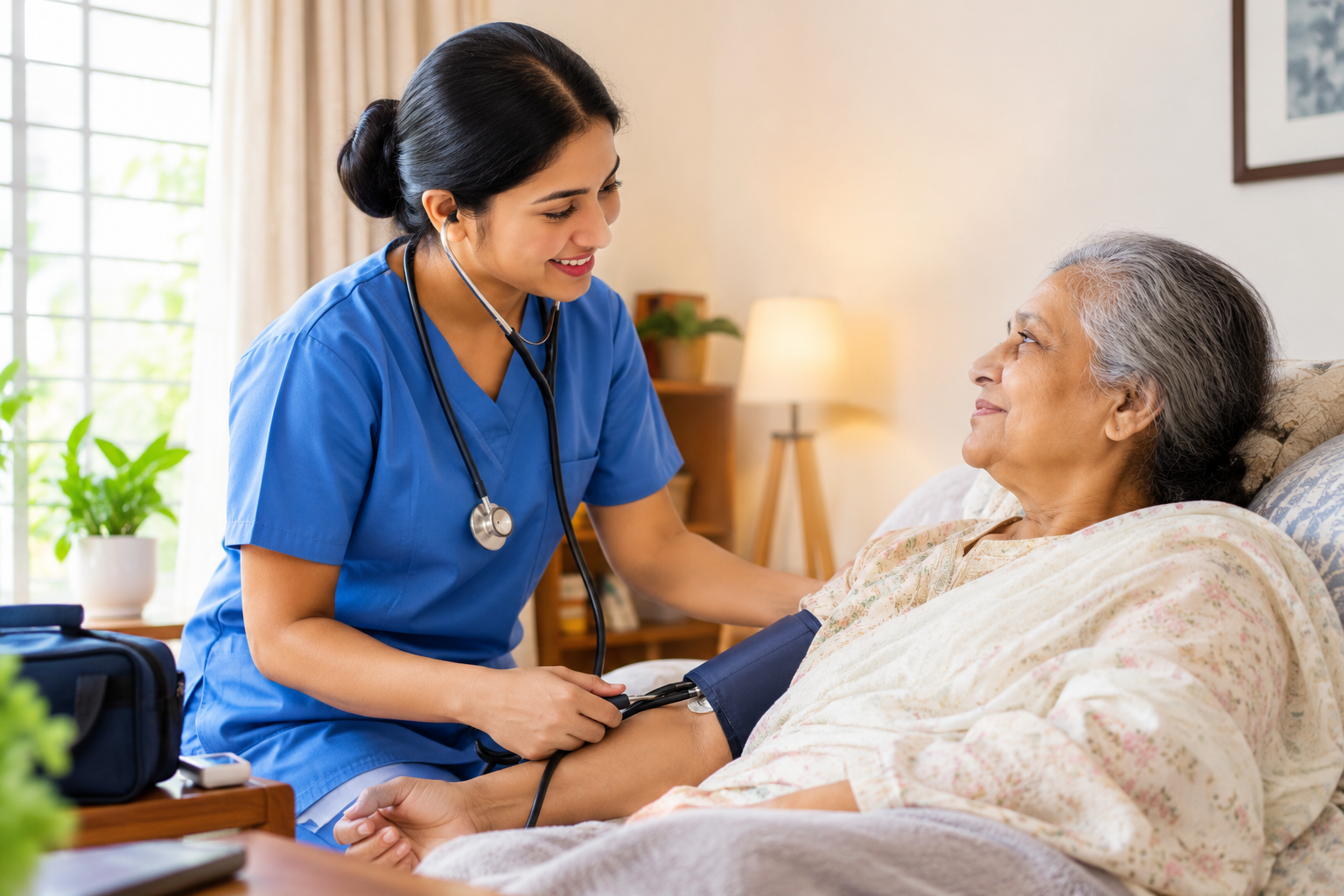
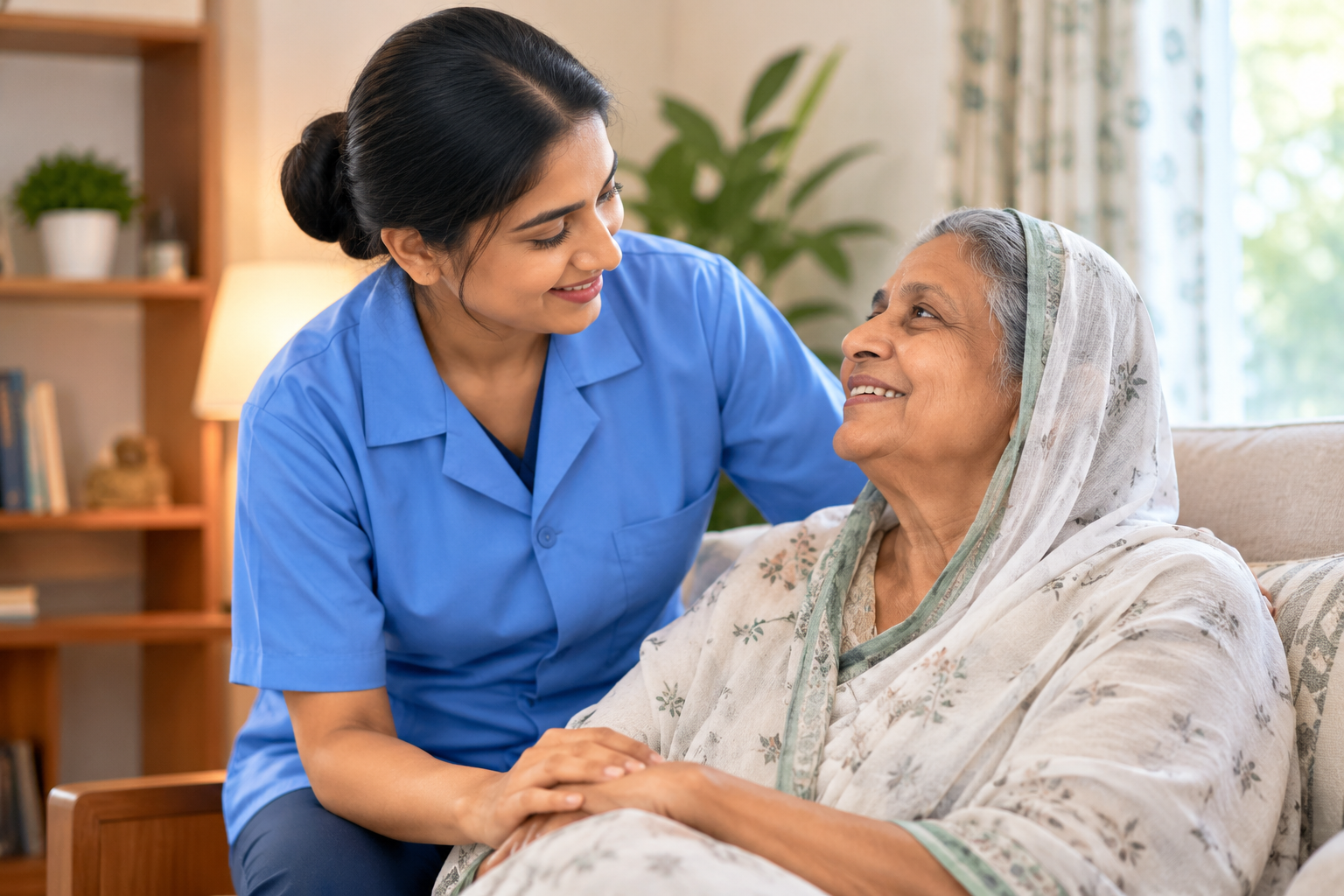
Professional agencies, such as Caregiver Agency BD, provide tailored support designed around the unique health profiles of each client. Service options range from part-time assistance with daily activities to comprehensive, around-the-clock home care. Having a dedicated elderly care giver in the home provides peace of mind for family members who may be working long hours or living abroad. Trained caregivers monitor vital signs, assist with hygiene and mobility, prepare nutritious meals, and offer essential emotional companionship throughout the day.
Specialized Medical Care and Nursing Support at Home
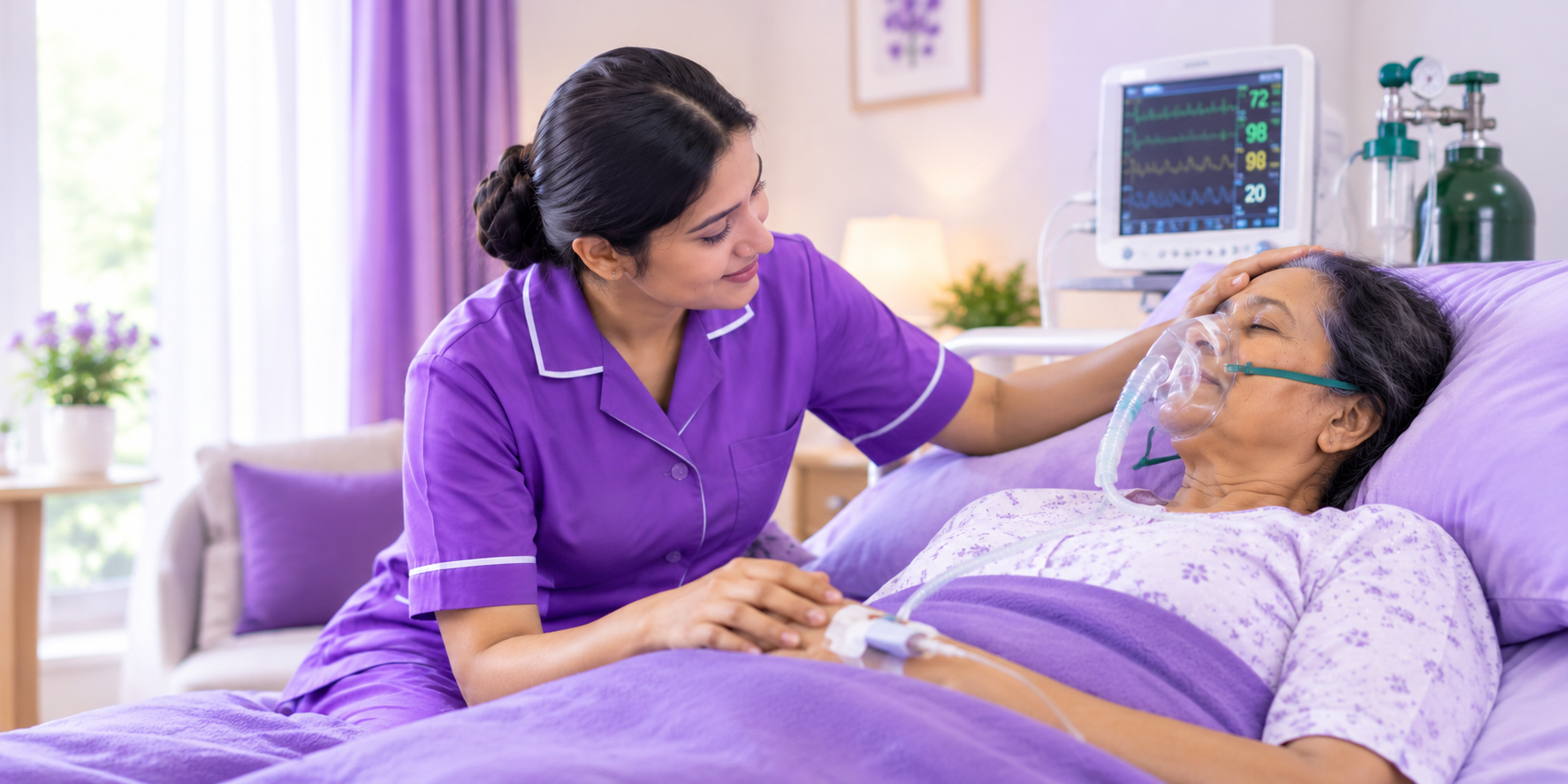
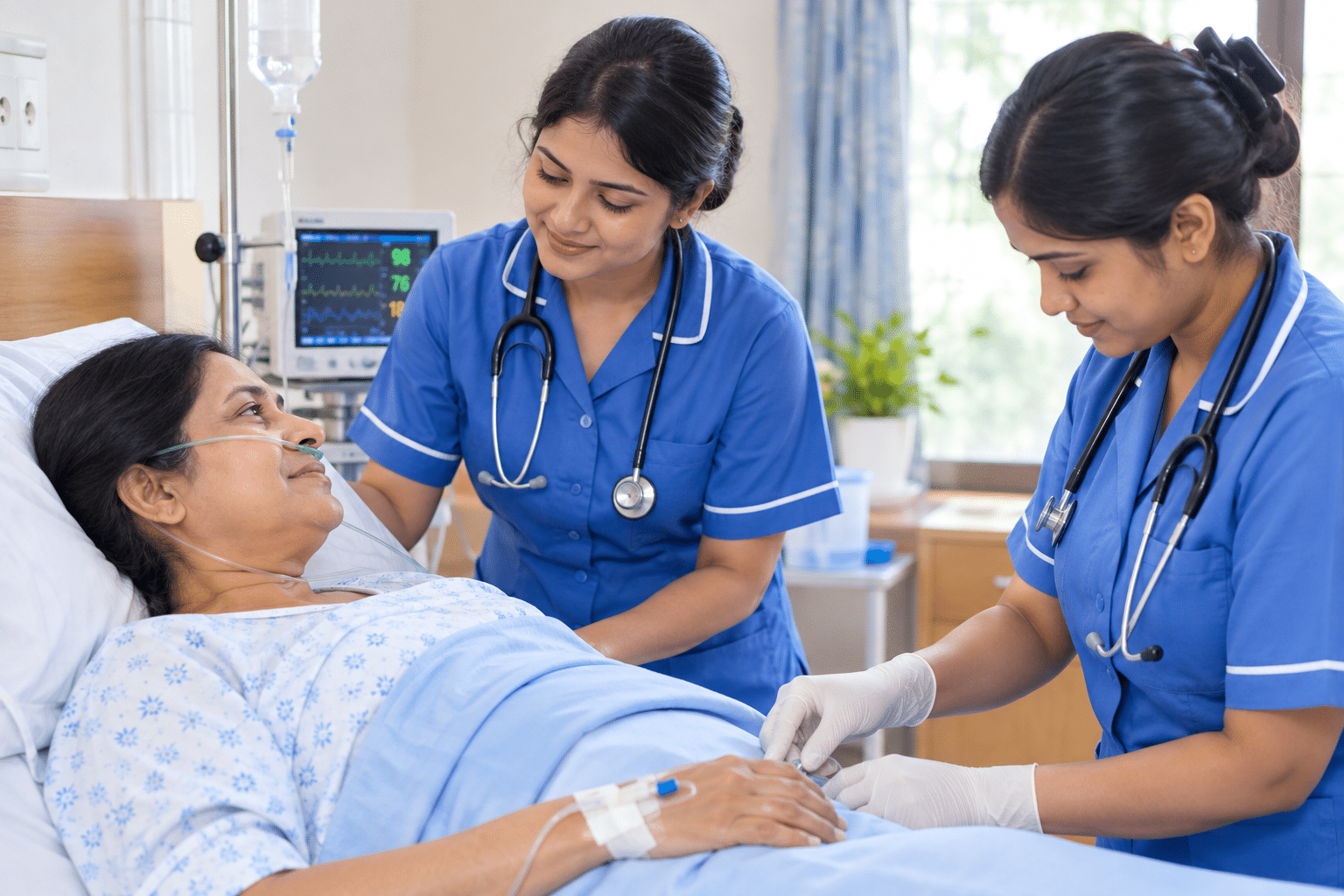
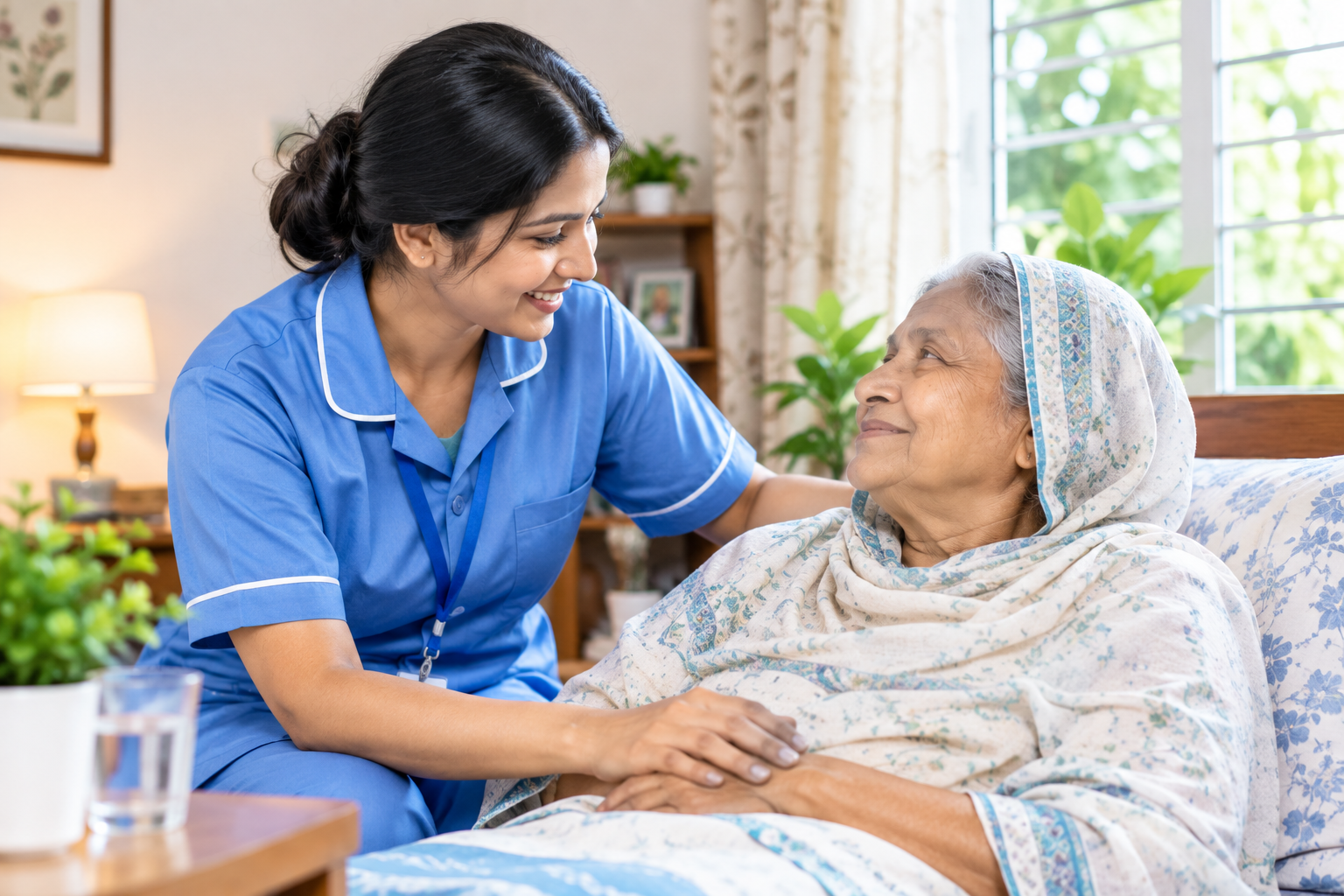
For seniors recovering from major surgery, stroke, or severe chronic conditions, basic personal assistance is often not enough. These situations require professional nursing care of elderly patients delivered by certified health professionals. In-home nursing brings clinical expertise directly to the patient’s bedside, eliminating the stress, infection risks, and physical strain of frequent hospital visits. This continuous professional oversight helps prevent unnecessary hospital readmissions and speeds up physical recovery.
Qualified home care nurses handle clinical tasks including:
-
Administration of intravenous (IV) and intramuscular (IM) medications
-
Sterile wound cleaning and post-surgical dressing changes
-
Tracheostomy and urinary catheter care and maintenance
-
Setup and monitoring of respiratory equipment, including nebulizers and oxygen concentrators
-
Regular tracking and recording of vital signs, such as blood pressure, heart rate, and oxygen saturation
By combining clinical protocols with personalized personal care, elderly home health care ensures that vulnerable seniors receive high-quality medical support without leaving the comfort and safety of their family home.
Community Services, Day Care, and Institutional Alternatives
While home-based support remains the preferred option for most families, other structured care solutions are developing across Bangladesh. Specialized elderly day care centers offer valuable options for working families who need daytime supervision and engagement for their aging relatives. These centers provide structured social activities, physical therapy exercises, nutritious meals, and health monitoring during business hours, allowing seniors to socialize before returning home to their families in the evening.
At the same time, institutional alternatives like a dedicated old age care center or residential elderly care home are becoming part of the broader healthcare discussion. Historically, placing parents in an old age care facility carried a strong social stigma in Bangladeshi culture. However, perceptions are evolving as modern residential centers offer specialized, round-the-clock medical care for seniors with severe, chronic conditions or those without close family support. Choosing between private home care and residential facilities depends on individual health needs, financial resources, and family preferences.
How to Select the Right Caregiver for Your Family
Selecting a professional care provider for an aging parent is a deeply personal and critical decision. You are inviting a healthcare provider into your home to manage your loved one’s daily safety, health, and dignity. It is essential to work with an established agency that performs background checks, maintains strict quality standards, and provides ongoing clinical oversight. Evaluating potential care agencies carefully helps ensure a safe, compassionate experience for everyone involved.
Key factors to evaluate when selecting care services include:
-
Background Verification: Ensure all caregivers undergo criminal background checks and identity verification.
-
Professional Qualifications: Verify that nurses hold valid clinical certifications and that caregivers have completed formal elder care training.
-
Customized Care Plans: Look for agencies that conduct detailed initial assessments to create personalized care schedules tailored to individual medical histories.
-
Emergency Protocols: Confirm that the provider has established procedures for handling sudden health emergencies or hospital transfers.
-
Monitoring and Supervision: Choose providers that offer regular supervisory visits by senior clinical staff to check care quality.
Partnering with a trusted provider like Caregiver Agency BD ensures your aging family members receive consistent, respectful, and professional care tailored directly to their needs.
Conclusion
Navigating the evolving landscape of senior support requires balancing deep cultural traditions with practical modern solutions. While family remains the primary source of love and emotional connection in Bangladesh, professional support services play a critical role in ensuring long-term health, safety, and comfort for aging loved ones. Whether your family requires routine assistance with daily living or specialized skilled nursing care, accessing reliable home care empowers seniors to age gracefully in the comfort of their own homes. Investing in compassionate, high-quality care preserves dignity, supports independence, and offers true peace of mind for the entire family.
Frequently Asked Questions (FAQs)
What services are typically included in private care for elderly at home?
Private care for elderly at home covers a wide range of non-medical and light medical support services. These include assistance with daily personal hygiene (bathing, grooming, and dressing), meal preparation, medication reminders, mobility assistance, fall prevention, and companion support. Dedicated skilled nursing can also be added for clinical procedures.
How do I find trustworthy elder care services near me in Bangladesh?
To find reliable elder care services near me, look for established professional care agencies with strong track records, verified customer reviews, and clear background checks for all personnel. Working with verified providers like Caregiver Agency BD ensures that staff are properly trained, vetted, and supervised by clinical professionals.
Is home care better than sending a senior to an old age care homes near me?
For most aging seniors, home care is the preferred choice because it allows them to stay in comfortable, familiar surroundings close to family and neighbors. Searching for old age care homes near me can be useful for families who require 24/7 institutional supervision, but home care services deliver continuous personal attention while maintaining family connections.
How does child and old age care differ in professional home care settings?
While child and old age care both focus on personal well-being, personal safety, and daily support, elder care requires specialized knowledge of chronic disease management, mobility assistance, cognitive support for dementia, and geriatric health tracking. Caregivers for seniors are trained to handle age-related physical limitations and complex medical routines safely.
Can I hire a caregiver specifically for elderly care near me on a short-term basis?
Yes, flexible options exist for families searching for elderly care near me. Services can be scheduled for short-term recovery after a hospital discharge, part-time daily shifts, weekend relief for primary family caregivers, or long-term 24/7 home care.
What is the primary role of a professional offering elder care?
The main role of an elder care professional is to protect the health, safety, and daily comfort of an aging individual. They assist with daily living tasks, ensure medications are taken accurately, help prevent falls, and provide meaningful companionship to support overall emotional well-being.
How do professional caregivers support seniors with memory loss or dementia?
Caregivers trained in cognitive care assist seniors with memory loss by maintaining structured daily routines, preventing wandering, managing behavioral changes with patience, and ensuring medication is taken correctly and safely.