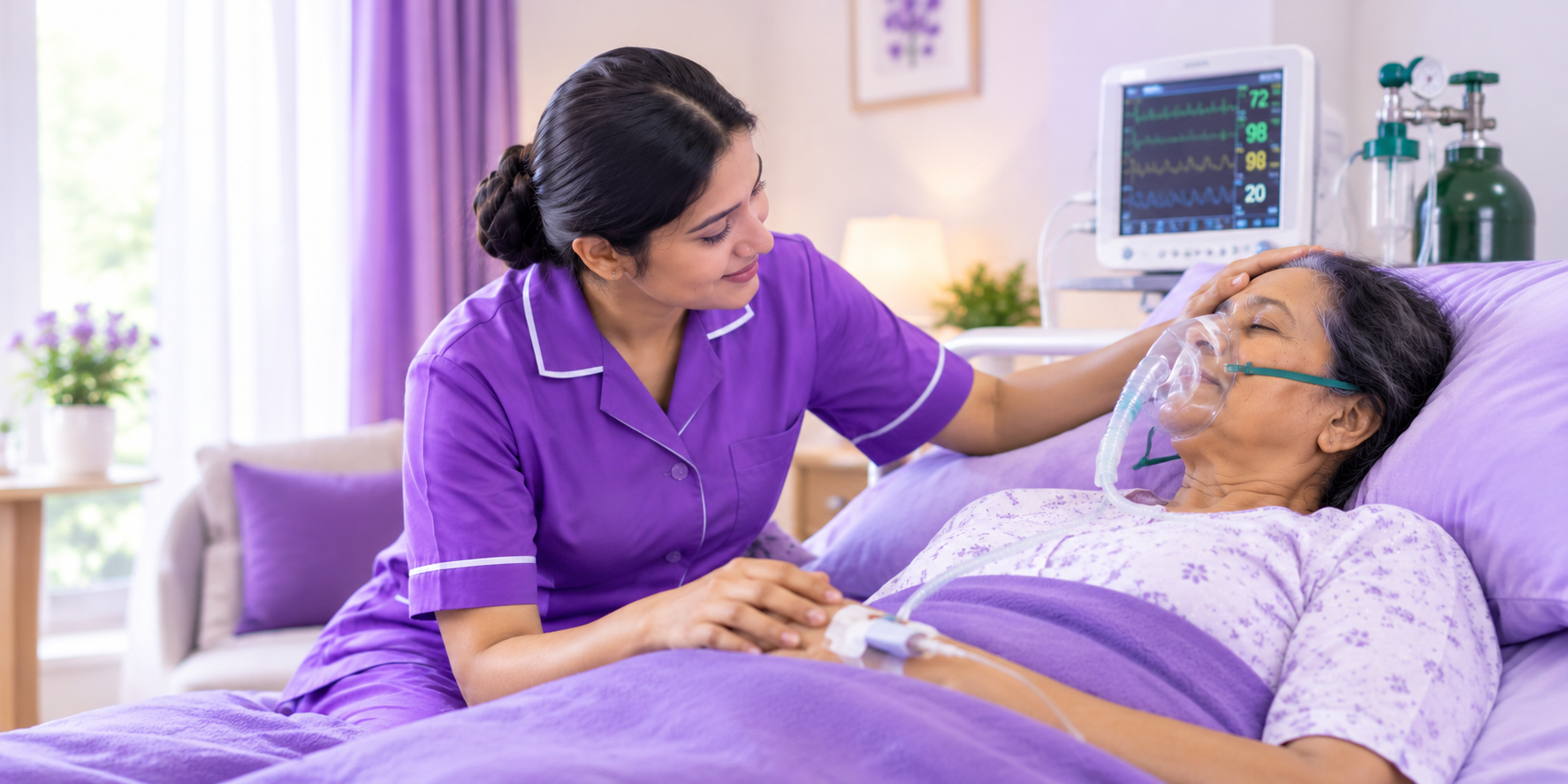
Comprehensive Nursing Care Strategies for Neurological Patients
Navigating a neurological condition is rarely a simple path. Whether a loved one is recovering from a sudden stroke, coping with Parkinson’s disease, or managing advanced dementia, the physical and emotional impact can be overwhelming for any family. Specialized medical attention becomes an essential lifeline rather than a luxury. Understanding how tailored care strategies work allows families to make informed choices that restore dignity, safety, and comfort to daily life.
Neurological disorders affect the central and peripheral nervous systems, controlling everything from movement and speech to basic involuntary functions like breathing and swallowing. Effective care requires a dedicated approach that balances physical rehabilitation with empathetic emotional support. At Caregiver Agency BD, professional caregivers focus on individualized care plans designed to maintain autonomy and enhance the overall quality of life for every individual in their care.
Understanding Neurological Disorders and Patient Needs
Common Neurological Conditions Requiring Specialized Care
Neurological disorders encompass a broad spectrum of conditions, each presenting unique challenges to patients and their caregivers. Conditions such as cerebrovascular accidents (strokes), traumatic brain injuries, spinal cord injuries, multiple sclerosis, and neurodegenerative diseases like Alzheimer’s demand precise medical protocols. A patient recovering from an ischemic stroke may require intensive mobility assistance and speech therapy support, while someone with Parkinson’s disease needs careful medication timing to control tremors and rigidity.
Each condition demands a distinct combination of medical expertise, patience, and adapted daily routines. For instance, progressive disorders require caregivers to anticipate declining functional abilities and modify care environments proactively. Providing effective nursing care for neurological patients means recognizing that no two individuals experience a condition in the exact same way. Tailoring interventions to the specific stage and symptom profile of the patient is fundamental to achieving positive clinical outcomes.
Assessment and Clinical Evaluation Protocols
A thorough initial assessment forms the foundation of any successful care plan. Qualified healthcare providers begin by evaluating the patient’s baseline neurological status using validated clinical tools like the Glasgow Coma Scale, cranial nerve assessments, and mobility scores. This initial baseline helps nursing professionals identify subtle changes in consciousness, motor response, or cognitive clarity before minor issues evolve into critical emergencies.
Beyond physical checks, comprehensive assessments look closely at environmental safety, nutritional capabilities, and psychological well-being. Evaluating a patient’s home layout identifies potential fall hazards, while assessing swallowing function protects against silent aspiration. Regular reassessments ensure that care plans adapt fluidly as the patient’s condition evolves, preventing unnecessary hospital readmissions and promoting steady physical progress.
Core Strategies for Neurological Nursing Care Services
Monitoring Neurological Vital Signs and System Changes
Continuous clinical monitoring is one of the most critical aspects of specialized care. Neurological patients can experience rapid fluctuations in intracranial pressure, blood pressure, and autonomic function. Caregivers trained in specialized nursing care services monitor subtle shifts in pupillary response, speech coherence, motor strength, and sensory perception. Catching these early indicators allows for immediate intervention, which can often prevent irreversible neural damage.
In addition to neurological status, tracking routine vital signs remains vital. Autonomic dysreflexia, common in spinal cord injury cases, can cause severe blood pressure spikes triggered by simple issues like a full bladder or skin irritation. By keeping precise daily records and maintaining clear communication with supervising physicians, home nurses ensure a consistent safety net around the clock.
Managing Mobility, Positioning, and Fall Prevention
Impaired movement and balance deficits significantly increase the risk of falls and pressure injuries for neurological patients. Implementing systematic repositioning protocols every two hours protects fragile skin integrity and prevents bedsores. Proper body alignment using supportive pillows and specialized mattresses helps alleviate spasticity and joint contractures commonly seen in paralysis or late-stage movement disorders.
Fall prevention requires combining specialized equipment with environmental adaptations. Utilizing transfer belts, hoists, and non-slip mats ensures safer transitions between bed, wheelchair, and bath areas. Nurses work side by side with family members to clear pathways, adjust lighting, and build patient confidence during daily movement routines, ensuring physical activity remains both safe and therapeutic.
Dysphagia Management and Nutritional Support
Swallowing difficulties, medically known as dysphagia, affect a significant portion of individuals dealing with neurological trauma or neurodegenerative conditions. Safe eating strategies are vital to avoid aspiration pneumonia, a serious complication caused by food or liquid entering the lungs. Specialized feeding techniques involve adjusting posture, thickeners for liquids, and preparing altered texture diets tailored to the patient’s specific swallowing ability.
When oral intake is insufficient or unsafe, nurses oversee enteral nutrition, managing tube feedings through nasogastric or gastrostomy tubes. Proper hygiene around tube sites, managing feeding speeds, and maintaining an upright seating position for at least an hour post-meal are essential standard operating practices. Proper nutrition sustains physical energy, supports tissue healing, and bolsters the immune system.
Rehabilitation and Long-Term Recovery at Home
Integrating Physical and Occupational Therapies
Recovery from a neurological event is a long journey that extends well beyond acute hospital care. Integrating daily therapeutic exercises into regular home routines helps rebuild neural pathways through neuroplasticity. Nurses collaborate closely with physical and occupational therapists to carry out prescribed passive range-of-motion routines, muscle strengthening exercises, and mobility drills right in the comfort of the home.
Occupational support focuses on helping patients regain independence in daily activities like dressing, grooming, and feeding. Caregivers encourage self-care using adaptive tools like button hooks, weighted utensils, and specialized cups. By turning everyday routines into gentle rehabilitation opportunities, patients regain both functional skills and personal independence.
Cognitive Retraining and Communication Support
Neurological conditions frequently impair memory, executive function, and speech production. Conditions like aphasia can make expressing thoughts or understanding spoken words frustrating for the patient. Specialized caregivers employ structured communication techniques, including picture boards, clear and concise phrasing, and assistive communication devices to bridges these gaps without causing stress.
Cognitive retraining involves gentle, consistent activities that stimulate brain function, such as memory recall games, reality orientation, and structured daily schedules. Maintaining a calm, predictable environment minimizes confusion and agitation, particularly for individuals living with dementia or brain trauma. Patient, empathetic communication reassesses dignity and fosters emotional security.
Comparing Home Nursing Service and Nursing Home Service
Benefits of One-on-One At-Home Neurological Care
When deciding on long-term care options, families frequently weigh the benefits of a home Nursing service against residential facility placement. Receiving individualized attention at home allows patients to remain in comfortable, familiar surroundings among family members. This sense of continuity reduces disorientation and stress, which is particularly beneficial for individuals managing cognitive decline or recovering from major brain injuries.
| Feature | Home Nursing Care | Residential Nursing Home |
| Environment | Familiar home setting | Institutional facility |
| Caregiver Ratio | Dedicated 1-on-1 care | Shared staff among residents |
| Routine Flexibility | Fully customized daily schedule | Set facility schedules |
| Family Involvement | Direct daily involvement | Scheduled visiting hours |
| Emotional Comfort | High comfort, lower anxiety | Varies based on adjustment |
Opting for home-based care ensures that the schedule revolves entirely around the individual’s needs rather than the rigid timetable of an institution. From personalized meal schedules to tailored exercise sessions, dedicated attention builds deep trust between the caregiver and the patient, leading to better emotional and physical outcomes.
Choosing the Right Nursing Care Provider in Bangladesh
Selecting a reliable agency requires careful evaluation of staff qualifications, supervisory structures, and emergency readiness. Caregiver Agency BD offers professional nursing care for neurological patients, connecting families with trained medical personnel equipped to handle complex clinical requirements at home. Evaluating an agency’s reputation, nurse credentials, and willingness to customize care plans ensures your loved one receives high-standard care.
Families considering a facility-based Nursing home service should evaluate caregiver-to-patient ratios, specialized neurological infrastructure, and sanitary standards. However, for most patients, receiving care at home remains the preferred choice. Home care strikes the ideal balance between clinical supervision, personal dignity, and family closeness.
Conclusion
Providing comprehensive nursing care for neurological patients requires a balance of medical skill, structured rehabilitation, and empathetic emotional support. Tailoring daily routines to monitor vital signs, manage dysphagia, prevent falls, and support cognitive rehabilitation enables patients to achieve their highest possible quality of life. Whether recovering from an acute stroke or managing a progressive condition, individualized attention preserves personal dignity and promotes safety. Caregiver Agency BD remains dedicated to supporting families across Bangladesh with compassionate, professional care solutions designed for home environments.
Frequently Asked Questions (FAQs)
1. What makes neurological nursing care different from general nursing?
Neurological care requires specialized training in evaluating brain and nerve function, recognizing subtle changes in consciousness, managing movement disorders, and handling dysphagia. Caregivers must understand specific conditions like strokes, dementia, and spinal injuries to tailor physical support and safety protocols effectively.
2. How do caregivers prevent falls for patients with movement issues?
Caregivers use transfer belts, inspect home environments for mobility hazards, maintain proper lighting, and assist with prescribed physical exercises to improve balance. They also ensure adaptive equipment like walkers and wheel chairs are used correctly during transfers.
3. Can home nursing help with swallowing difficulties?
Yes. Trained nurses implement dysphagia management techniques, including posture adjustments during meals, thickening liquids, preparing modified food textures, and monitoring for signs of aspiration. They also manage tube feeding systems when oral eating is unsafe.
4. Is home care suitable for late-stage neurodegenerative conditions?
Absolutedly. Comprehensive home nursing care services can manage advanced symptoms, including total mobility support, pressure ulcer prevention, pain management, and nutritional support through feeding tubes, keeping the patient safe and comfortable at home.
5. How do I decide between home care and a residential facility?
Consider the patient’s preference, emotional comfort in familiar surroundings, and the need for dedicated one-on-one attention. Home care offers flexible, individualized routines and keeps families connected, whereas a facility provides shared care in an institutional setting.